Hi-Life อาหารแมว

What Does the Animal Feed Registration Number Tell Us? What Every Owner Should Know Before Choosing Pet Food

What Does the Animal Feed Registration Number Tell You?

Check the Registration Number Before Choosing Pet Food

What does the animal feed registration number mean? Code 07 identifies nutritionally complete food suitable as a main meal. Learn to read all ten digits before you buy.
What Does the Animal Feed Registration Number Tell You?

Walking into a pet shop or ordering online

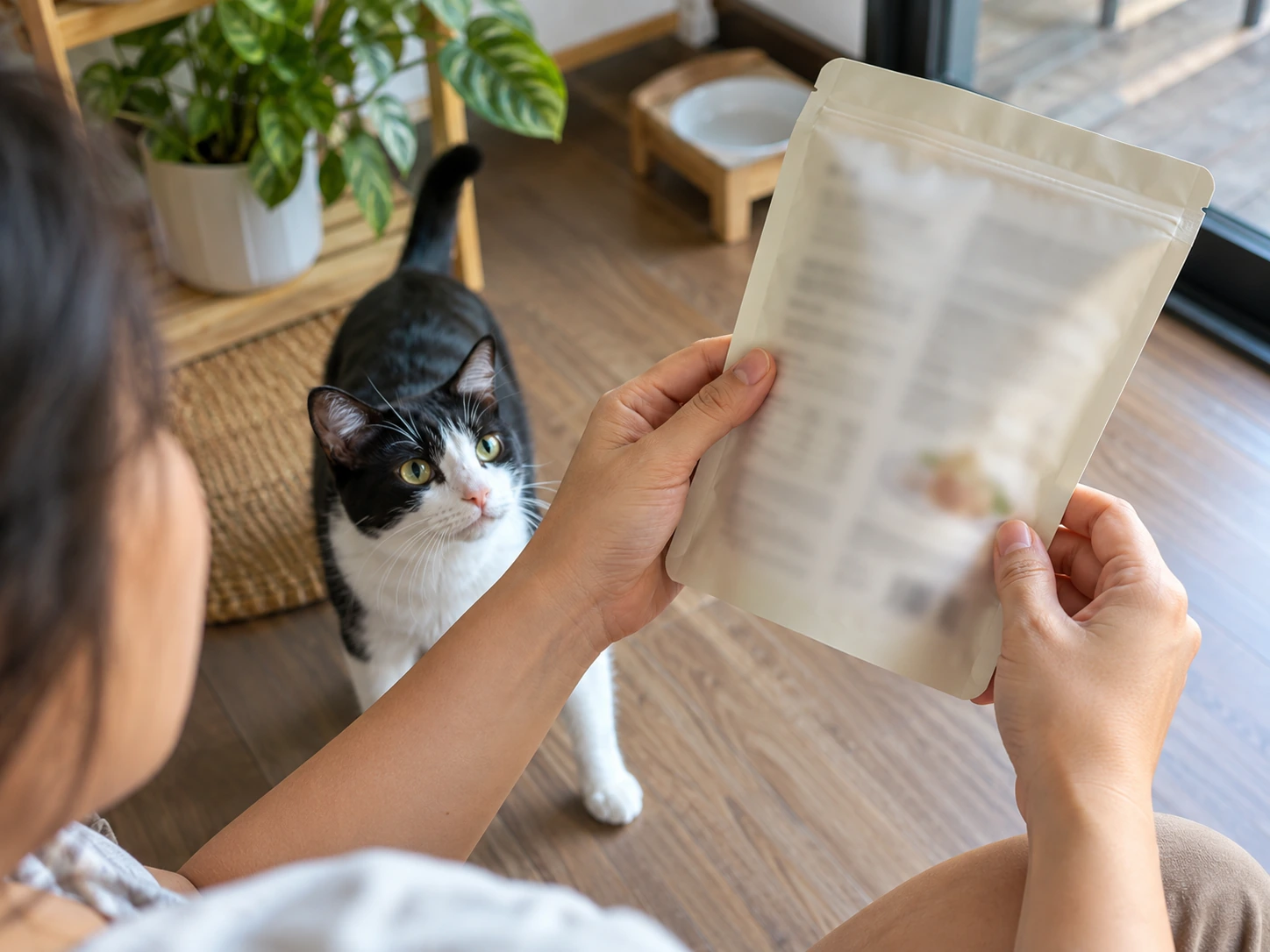
Most people never notice the small string of digits printed on the back of the pouch or can. Yet that number carries important information about the food you’re about to feed your pet.

What the Registration Number Is, and Who Issues It

In Thailand, the animal feed registration number is issued by the Department of Livestock Development when a manufacturer or importer registers a pet food as required by law. a reference number that lets you check the product’s details are held in the government system — similar in concept to registration numbers for human food, though a separate system. The number printed on the label should still be checked against the online search system, as described below.

Owners outside Thailand won’t find this number on their local products. The nearest equivalent is the nutritional adequacy statement on the label, referencing AAFCO or FEDIAF standards.

How to Read the Ten Digits

Thailand’s registration number has ten digits in four groups. Taking Hi-Life wet food, Chicken with Vegetables, as an example: registration number 01 07 67 0466.

Group Digits Meaning
First two 01 Produced in Thailand (01 = domestic, 02 = imported)
Digits 3–4 07 07 means nutritionally complete food (the type codes are 07, 08, 09 and 10)
Digits 5–6 67 Buddhist-calendar year of registration: 2567, i.e. 2024
Last four 0466 Registration sequence number for that year

Digits 3–4 are the ones to look at. They tell you immediately what the food in that pouch or can was designed to do.

The Common Type Codes and What They Mean

Code Type Can it replace a main meal?
07 Nutritionally complete food Yes
08 Supplementary food No — given alongside a main meal
09 Snacks and treats No
10 Therapeutic diet Use on veterinary advice

How to Verify a Registration Number Before You Buy

You can check a registration number through the Department of Livestock Development’s search system for licences, notifications, registration certificates and approvals, searching by registration number or trade name. If the registration is an older one and doesn’t come up, contact the Division of Animal Feed and Veterinary Products Control directly.

Worth knowing: not finding a result doesn’t automatically mean the product is counterfeit. It may simply be a mistyped number, a spacing error, or a trade name that doesn’t match the system’s records. Try a few different approaches before drawing conclusions.

Other Label Information Worth Reading Alongside It

The registration number tells you what type of food it is. Other details help you match the food to your particular pet.

  • Species and life stage. Cat and dog formulas differ, and some recipes state they suit only animals aged one year and over.
  • Ingredient list, in descending order by quantity, which shows what the food is genuinely built on.
  • Guaranteed analysis — protein, fat, fibre and moisture.
  • Energy value per 100 g, used to work out the right daily amount.
  • Production and expiry dates, which are separate from the registration number.

What Owners Should Keep in Mind When Choosing

  • Always check digits 3–4 first, so you know what the food is meant for — main meal, supplement, treat or therapeutic diet.
  • Read the life stage, health guidance and recommended amount on the label too. The registration number is a starting point, not the only measure.
  • Verify the number through the Department of Livestock Development’s system to confirm the record exists and matches the label.
  • Choose products with complete labelling — a stated place of manufacture, an expiry date and a clearly printed registration number.

Frequently Asked Questions

Is code 07 the same as “Complete & Balanced”?

They’re related but not identical. 07 is the category a food is registered under, confirming it’s a nutritionally complete food. Complete & Balanced is a nutritional concept and a statement the manufacturer puts on the label. (See What Is Complete & Balanced Nutrition? Why It’s the Heart of a Main Meal for Pets.)

Should I buy food with no registration number on the label?

Pet food sold legally should display the animal feed registration number on the label. If you can’t find it, consider choosing a product you can verify instead.

What should I do if the number doesn’t come up in the search?

Check the digits on the label again, try searching by trade name in both Thai and English, or by the manufacturer’s company name. If it’s an older registration and still doesn’t appear, contact the Division of Animal Feed and Veterinary Products Control directly.

In Summary

The animal feed registration number is the simplest tool there is for telling a main meal apart from a treat. It takes a few seconds to turn the label over, and it tells you whether that food was designed to be a main meal. (See also Can Pets Eat Wet Food Every Day? and 5 Benefits of Wet Pet Food.)

Every Hi-Life wet food recipe is registered as a nutritionally complete food (code 07). You can see the registration number for each recipe on its product page before you decide.

More About Animal Feed Registration

We hope this guide to animal feed registration helps you care for your pet with confidence. Explore all Hi-Life products, or keep reading our article What Is Complete & Balanced Nutrition. For more expert information, visit Bureau of Animal Feed and Veterinary Products Control (DLD).

Related Articles

4 Steps to Toilet Training a Puppy on Training Pads — Simple to Follow, Fewer Messes at Home

puppy pad training - How to Toilet Train a Puppy on Training Pads — 4 Simple Steps

Start Building Good Toilet Habits Early

A practical guide to puppy pad training — where to put the pad, how to time it, rewarding at the right moment, and what to do when accidents happen.

Puppy pad training comes down to four steps: choose a fixed spot for the pad

take your puppy to it at the moments it’s most likely to go, reward immediately when it gets it right, and clean up accidents thoroughly enough to remove the smell.

Training pads suit certain situations — apartment living, the period before a puppy is going outside, or a senior dog — but they aren’t the only option. Most dogs still need to be taken outside to toilet as well. (See How Many Things Does One Pet Really Need? A Pet Care Checklist.)

The heart of training isn’t telling a puppy off when it goes wrong. It’s getting the puppy to make the connection — “going on the pad earns a reward” — as quickly as possible. Many puppies learn fast when the owner is consistent, though how long it takes varies from dog to dog, depending on breed and temperament.

Step 1: Choose Where the Pad Goes

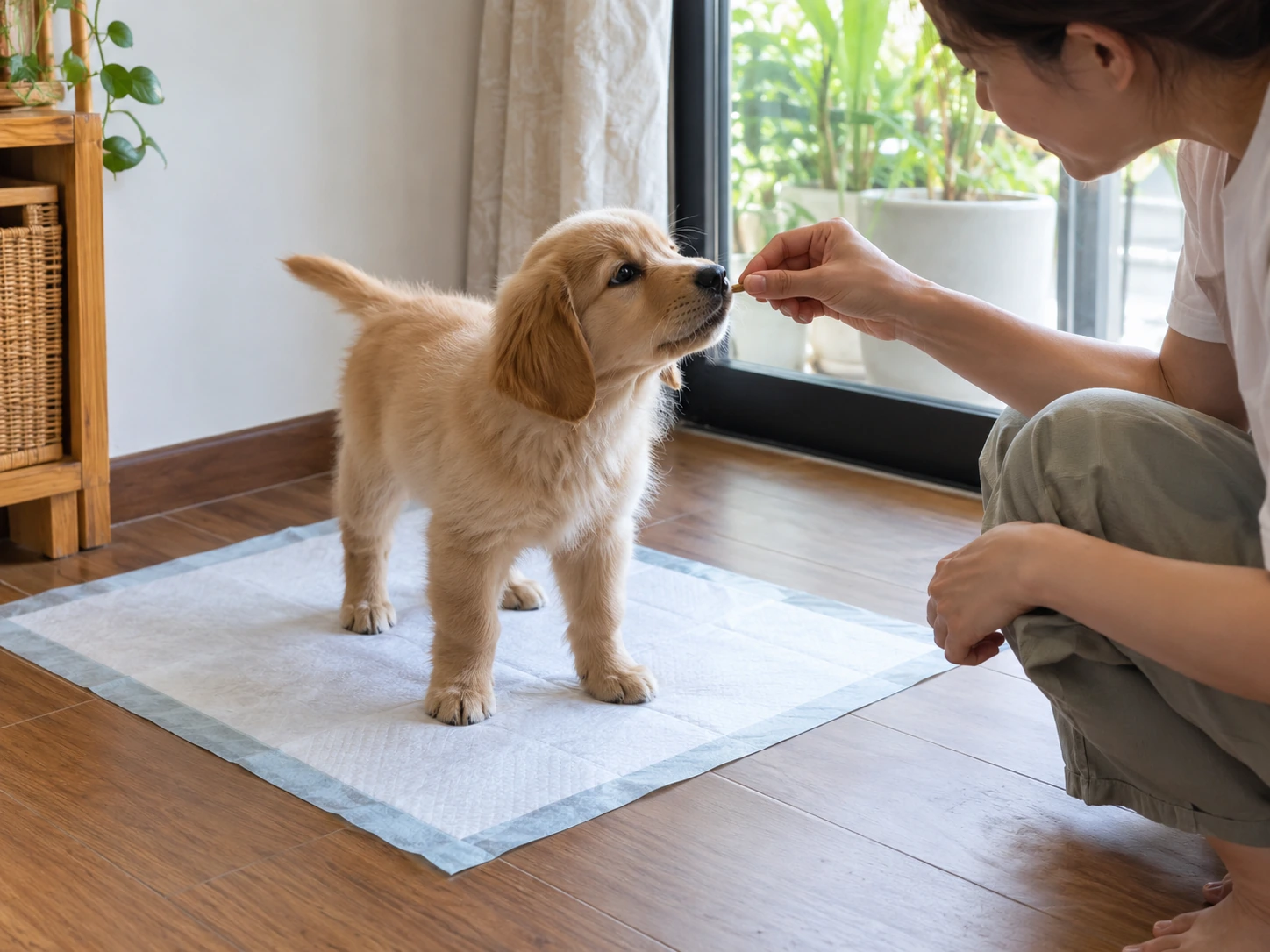
A good spot has three qualities: easy to reach, away from the bed and food bowls, and not moved often.

  • Easy to reach. Puppies can’t hold on for long, so if it’s too far to walk, they won’t make it.
  • Away from the bed and feeding area. Dogs generally prefer not to toilet near where they sleep.
  • In the same place throughout training. Moving it around causes confusion and sends you back to square one.

Early on, you might put several training pads down within a confined area, then reduce the number once your puppy starts favouring one spot.

Step 2: Learn the Timing

Puppies follow a fairly predictable rhythm. Take yours to the pad at these moments:

  • Immediately on waking, both in the morning and after a nap
  • After eating or drinking
  • After play or exercise
  • Before bed

Signs that a puppy is about to go include sniffing the floor back and forth, walking in circles, or heading away from the play area with apparent purpose. When you see them, take your puppy to the pad straight away.

Step 3: Reward Immediately When It Goes Right

The timing of the reward matters more than the reward itself. Praise or offer a treat the moment your puppy finishes on the pad — not once you’re both back at the sofa.

The reason is that dogs connect a reward with whatever they did in the few seconds beforehand. Leave it too late and your puppy may conclude the reward was for walking back to you.

Use the same short phrase every time — “good job,” for instance — so the puppy pairs that phrase with the correct behaviour sooner.

Step 4: Handling Accidents

These will happen during training. Here’s what to do and what to avoid.

Do Don’t
Clean thoroughly enough to remove the odour, so the puppy doesn’t return to the same spot Scold or punish after the event — the puppy can’t make the connection
If you catch it mid-act, get its attention gently and move it to the pad Push its face into the mess, which teaches nothing and damages trust
Review whether the miss was down to timing or the distance to the pad Move the pad immediately on the assumption the spot was wrong

The key point is that cleaning has to eliminate the odour properly, not simply wipe the floor dry — lingering smell is a signal to the puppy to use that spot again.

Choosing a Pad That Makes Training Easier

The right pad for training is one a puppy steps onto confidently and that doesn’t leave a mess when you pick it up. Three problems come up often: the pad slides underfoot and the puppy loses confidence; liquid isn’t absorbed quickly enough and the paws get wet; and liquid soaks through to the floor as you lift it. These are the features to look for.

Common problem What to look for How it helps
The pad slides Adhesive tabs at the corners Hold the pad to the floor so it doesn’t shift when stepped on
Wet paws Absorbent gel in the middle layer Takes up liquid quickly so the surface doesn’t stay damp
Liquid reaching the floor Leak-proof film underneath Stops liquid soaking through to the floor

Read the label and try it in practice. Pads differ, so read the packaging and start with a small pack to see whether your puppy will step on it and use it consistently, before moving to a larger pack for regular use.

Hi-Life hygienic training pads have a five-layer structure, Super Absorbent Gel in the middle layer, and adhesive tabs at all four corners. They come in packs of 5 for trying out and packs of 50 for regular use.

Frequently Asked Questions

How often should the pad be changed?

Change it once it’s saturated. During training that may be several times a day, since puppies don’t like stepping onto a pad that’s already wet. Wash your hands thoroughly after disposing of a used pad.

If I train on pads, will it be hard to switch to going outside?

It can be done, but it takes time to adjust. The usual method is to move the pad gradually closer to the door, then outside, keeping the same timings and the same rewards throughout. Talk to your veterinarian about the right time to start going outdoors, based on your puppy’s vaccination status.

Will putting pads in several places confuse my puppy?

At the start, several pads within a confined area improve the chances of success. Once your puppy settles on a regular spot, reduce to a single pad so the location is unambiguous.

My puppy chews the pads. What should I do?

This is normal behaviour during the chewing phase. Remove used pads promptly and redirect attention to a toy the puppy is allowed to chew. Keep unused pads out of reach when nobody is watching. If chewing and tearing happen often, supervise closely while your puppy is on the pad, as swallowed material can be dangerous. If you suspect your puppy has swallowed any, or if there’s vomiting, lethargy or a failure to pass waste, see a veterinarian immediately.

In Summary

Toilet training a puppy on pads isn’t difficult, but it does depend on consistency — in where the pad sits, in the timing of each trip, and in rewarding the moment your puppy gets it right. Accidents along the way are entirely normal. What matters is cleaning them up thoroughly rather than punishing.

More About Puppy Pad Training

We hope this guide to puppy pad training helps you care for your pet with confidence. Explore Hi-Life training pads, or keep reading our article How Many Things Do You Need to Look After for One Pet. For more expert information, visit American Kennel Club (AKC).

Are Vegetables Good for Dogs and Cats? Choose the Right Ones and They’re Good for Health

Vegetables for Dogs and Cats: Which Are Safe and Healthy?

Choose Suitable Vegetables for Added Variety

Are vegetables good for dogs and cats? Learn which are safe, the benefits, how much to give, and which vegetables to never feed.

Many people assume dogs and cats should eat nothing but dry or wet pet food

In fact, certain vegetables for dogs and cats make a genuinely useful addition — provided you choose the right ones and keep the portions sensible. This article covers what vegetables offer, how dogs and cats differ, which vegetables to avoid, and how to introduce them safely.

What Vegetables Offer Dogs and Cats

1. Fibre, for healthy digestion

Fibre keeps the gut working normally and helps stools form properly. Cooked pumpkin is a common veterinary suggestion, because it helps with both constipation and mild diarrhoea — the fibre absorbs excess water or adds moisture, depending on what the gut needs.

2. Help with managing calorie intake

Most vegetables are low in calories but high in volume, so a pet feels full without taking in excess energy. For an overweight dog, swapping high-fat treats for carrot or green beans is a simple way to manage calories without the dog feeling it’s being deprived.

3. Vitamins and minerals

Vegetables that are generally suitable:

  • Carrot — beta-carotene, which the body converts to vitamin A, supporting eyes and skin
  • Broccoli — vitamin C and vitamin K, supporting immunity and bones
  • Pumpkin and sweet potato — potassium and beta-carotene
  • Cucumber — high water content, helpful for hydration on hot days
  • Green beans — fibre, and low in calories
  • Courgette (zucchini) — high in water, low in calories

And a few that need a little more care:

  • Cooked potato — a carbohydrate source providing energy, with potassium, vitamin B6 and a small amount of vitamin C. It’s higher in calories than other vegetables, so give only a little, particularly to overweight or diabetic animals.
  • Garden peas — fibre, vitamin K and vitamin C, low in calories
  • Ripe red tomato — lycopene and vitamin C. Give only in small amounts, and remove the stem, leaves and any green parts completely, as these contain solanine. 
  • Baby corn — fibre, low in calories, with a crisp texture that encourages chewing. Cut into bite-sized pieces to prevent choking.

4. Antioxidants

Brightly coloured vegetables contain flavonoids and carotenoids, which help reduce inflammation and slow cellular ageing — useful for senior pets.

5. Crunchy vegetables as a chew treat

Crunchy options such as raw carrot or cucumber satisfy a dog’s instinct to chew, which can reduce the gnawing of household items. That said, vegetables are no substitute for brushing. Regular tooth brushing, or oral care products recommended by your veterinarian, remains the best approach. 

Dogs: a Wider Range of Vegetables Works

Dogs are omnivores, so their digestive systems handle vegetables reasonably well. Safe and popular choices include:

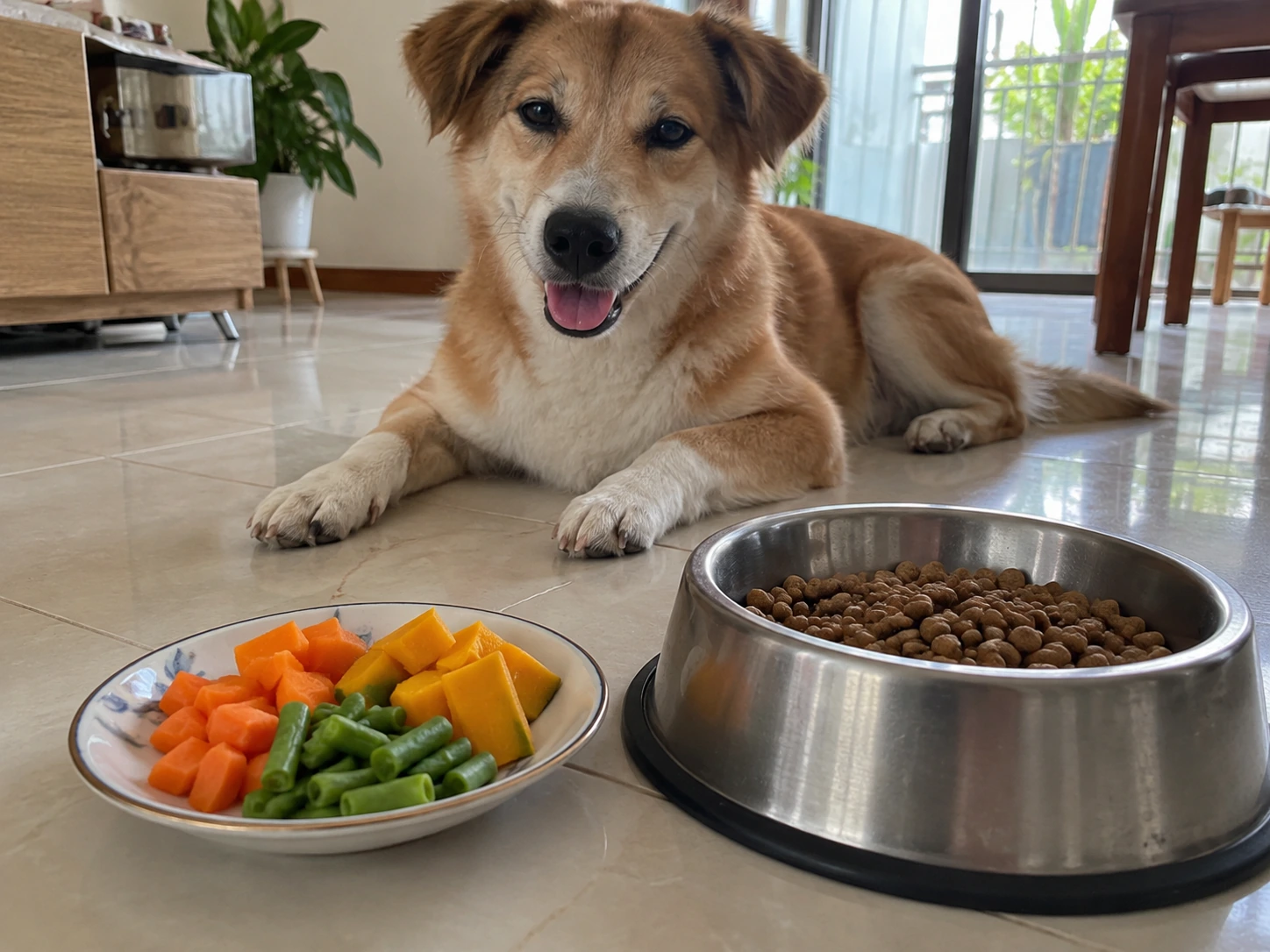
  • Carrot (raw or cooked, cut to a suitable size)
  • Cooked pumpkin and sweet potato, unseasoned
  • Green beans and garden peas
  • Broccoli (in small amounts)
  • Cucumber and courgette

For small breeds, cut pieces especially small to prevent choking. A dog that has never eaten vegetables before might start with something soft-cooked, or mashed and mixed into its usual food.

Cats: Vegetables Are a Minor Extra Only

Cats are obligate carnivores by nature. They need animal protein and certain nutrients found only in meat, so vegetables are not a necessity — though small amounts can be given as an extra. For example:

  • Cooked pumpkin, to help with constipation or hairballs
  • Cooked green beans
  • Soft-cooked carrot, finely mashed

Cat grass or young wheatgrass grown for cats also helps them pass hairballs more easily, and is a far better option than letting a cat nibble houseplants, some of which are toxic.

Vegetables and Foods Dogs and Cats Must Never Eat

  • Onion, garlic, shallot, spring onion and Chinese chives contain compounds that damage red blood cells and cause anaemia. Cats are more sensitive to this than dogs. Even food cooked with a small amount of onion or garlic should be avoided, and symptoms may not appear until several days later — so never wait and see.
  • Wild mushrooms and any mushroom you can’t identify — some are severely toxic.
  • Unripe green tomatoes, including leaves, stems and stalks — these contain solanine.
  • Raw potato, sprouting potato and potato with green skin — also solanine.
  • Fried or heavily seasoned vegetables such as fried onion, chips or mashed potato, which usually contain salt, oil and seasonings unsuitable for pets.
  • Grapes and raisins — not vegetables, but often handed over as a snack. They are reported to cause kidney toxicity in dogs, with reports in cats as well, so they must never be given to either.

If your pet eats any of these, contact a veterinarian immediately. Don’t wait for symptoms to appear.

How to Introduce Vegetables Properly

  1. Start small. Introduce one new vegetable at a time and watch for 24 hours for signs such as diarrhoea, vomiting or itching.
  2. Wash thoroughly to remove chemical residue and dirt.
  3. Cut to a bite-sized piece to prevent choking.
  4. Boil or steam without seasoning. No salt, oil, sugar or spices. Cooking also makes vegetables easier to digest.
  5. Keep to no more than about 10% of daily calories. Vegetables should be an extra or a treat, not the main diet — a good quality prepared pet food already has its nutrition calculated to be complete.
  6. Ask your veterinarian, particularly for animals with kidney disease, diabetes or a history of food allergy.

In Summary

Vegetables add fibre, vitamins and antioxidants to a dog’s or cat’s diet, help with weight management, and make an inexpensive, healthy treat. Dogs can handle a wider variety; cats should be given only small amounts. Most importantly, the onion and garlic family must be avoided strictly. Choose knowledgeably and keep the portions moderate, and your furry companion will be all the healthier for it. When in doubt, always consult your veterinarian before changing the diet.

Hi-Life wet food for dogs includes a variety of vegetables in its recipes, adding variety to your pet’s favourite meal and making it easy to serve something they’ll enjoy every day.

More About Vegetables For Dogs And Cats

We hope this guide to vegetables for dogs and cats helps you care for your pet with confidence. Explore Hi-Life dog food, or keep reading our article What Is Complete & Balanced Nutrition. For more expert information, visit ASPCA Animal Poison Control.

6 Tips for Choosing Cat Litter That Suits Your Home

6 Tips for Choosing Cat Litter That Suits Your Home

Choose Litter That Suits Your Cat and Your Home

Six tips for choosing cat litter: your space, number of cats, household health, your cat’s habits, long-term cost and correct use.

6 Tips for Choosing Cat Litter That Suits Your Home

A bag of cat litter might seem like a small decision

but it has a direct bearing on how clean your home stays, the health of the people in it, and how comfortable your cat feels every time it steps into the tray.

Ask which cat litter is best and the honest answer is that no single type is best for every home. Choosing cat litter well means weighing six things together: the size of your home, how many cats you have, the health of the people and cats in the household, your cat’s behaviour, long-term budget, and how you use it. This article takes each in turn and explains which litter properties matter most in each case.

1. Consider the Size of Your Home

If space is limited, make odour absorption and dust level your first priorities.

In an apartment or a room with little airflow, odour from the tray builds and spreads through the room faster, and dust lingers in the air longer. Look for a litter that absorbs odour quickly, right after your cat has used the tray, and one that’s low in dust.

A larger house with good airflow gives you more flexibility, since odour disperses. You can weight convenience of scooping and value for money more heavily. That said, if the tray sits near the living room or a bedroom, odour should still come first.

2. Factor in How Many Cats You Have

The more cats, the more you need litter that clumps firmly and controls odour well.

Daily waste volume rises with the number of cats. A litter that forms firm clumps lets you remove only the soiled portion without the clump crumbling as you lift it, so the rest stays usable and you avoid emptying the whole tray often — which costs both time and money.

Make sure you have enough trays, too. The general guidance is one tray per cat plus one — three trays for two cats, for example — which reduces stress and territorial behaviour.

Bag size, on the other hand, doesn’t need to follow the number of cats. Litter is a recurring purchase, so a small bag is useful for a first trial to see whether your cat accepts it. Once you’re confident, a larger bag is more convenient and better value, whether you have one cat or several.

3. Think About the Health of Everyone in the Home

If anyone in the household is sensitive to dust, make low dust your main criterion.

Where someone has allergies or asthma, or where there are young children whose respiratory systems are still developing, choose a litter clearly labelled as low-dust, and watch how much dust rises when you pour or scoop it. The same applies to cats with respiratory problems, pregnant cats and nursing cats, all of which should inhale as little dust as possible.

Beyond dust, choose a litter made without harmful chemicals ฃ, since cats lick their paws regularly after leaving the tray. And always keep the bag out of children’s reach.

4. Watch Your Cat’s Individual Habits

A good litter is one your cat uses consistently — and cats differ.

  • Cats that dig at length before going usually prefer fine granules that feel soft underfoot.
  • Nervous cats, or those sensitive to smell, are best given a mildly scented or unscented litter, which can put them off the tray entirely and lead to toileting elsewhere.
  • Cats that shake their paws on leaving the tray are usually signalling that they don’t like the texture or the scent of the litter they’re using.

A litter available in several scents helps here, since you can find one that both cat and household tolerate without changing litter type.

5. Work Out the Long-Term Cost Properly

Price per bag is only part of the picture. What lets you budget accurately is the cost per day in actual use.

Different litters are consumed at different rates, depending on how well they clump and absorb odour. A litter that clumps firmly and controls odour well lets you remove only what’s been used, without emptying the tray often, so one bag lasts longer — whatever the price on the bag.

A simple way to work it out, in three steps:

  1. See how many days one bag lasts in your home.
  2. Divide the bag price by that number of days to get your cost per day.
  3. Compare price per litre across bag sizes to pick the right size for regular use.

This shows value far more clearly than the shelf price, and lets you compare different litters fairly.

6. Use It Properly to Get the Best Performance

Used incorrectly, even a good litter won’t control odour fully.

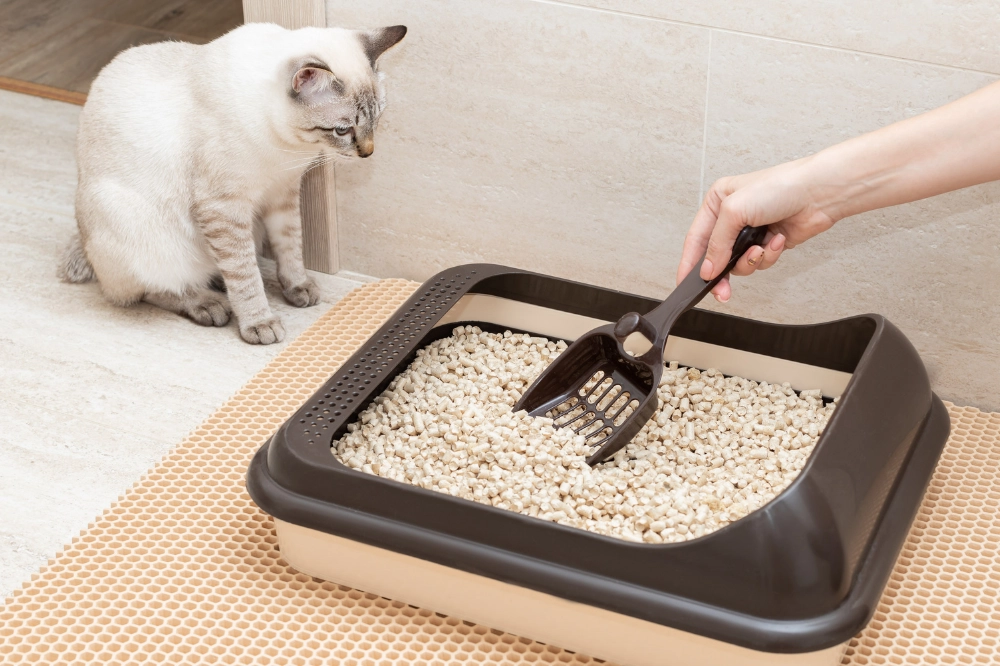
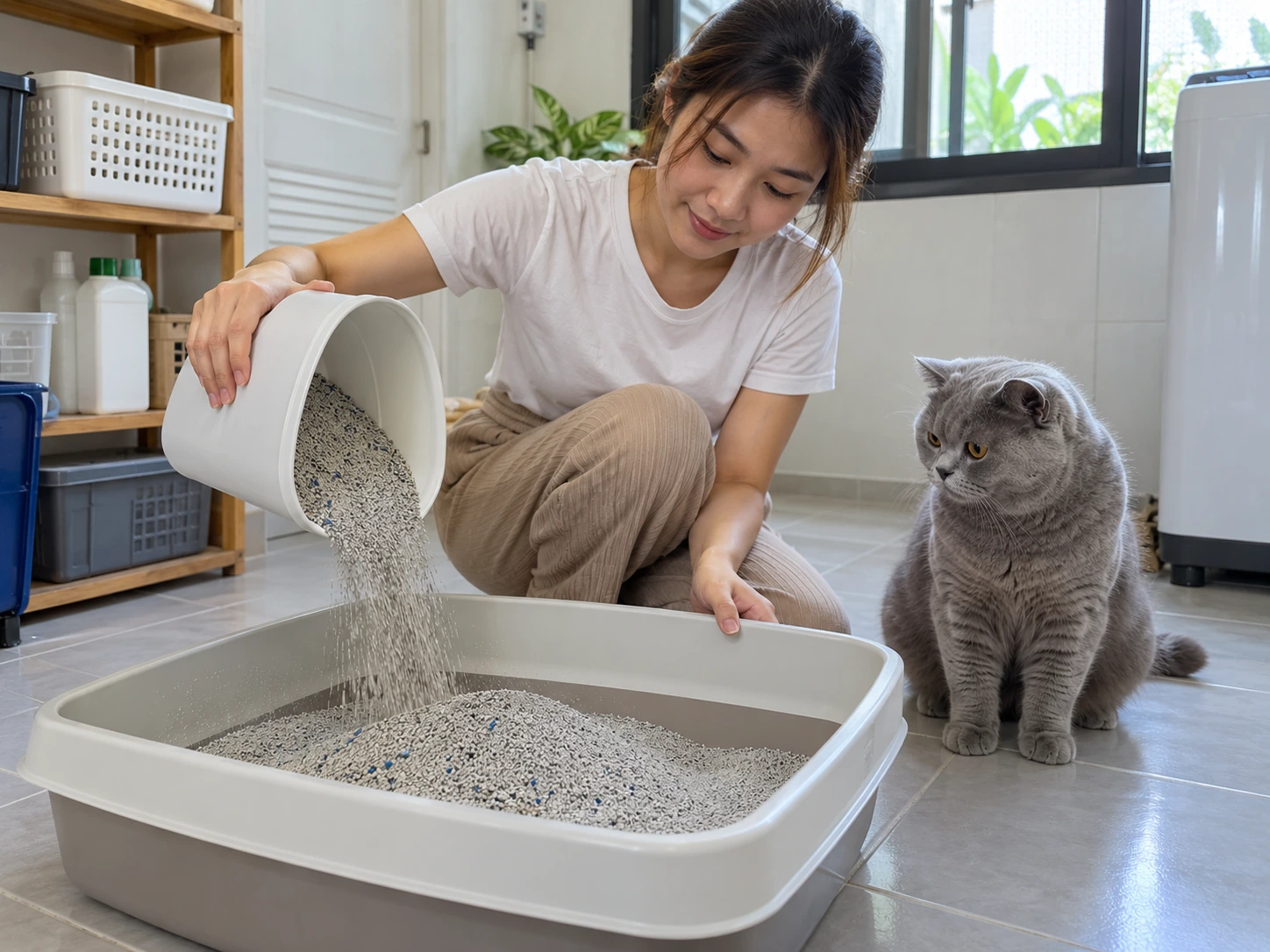
  1. Fill to a sufficient depth, around 8–10 cm. Too shallow and clumps stick to the base of the tray and break apart as you scoop.
  2. Scoop the clumps daily, at least once or twice a day. This reduces built-up odour and extends the life of the litter.
  3. Change all the litter and wash the tray weekly, even if you scoop every day.
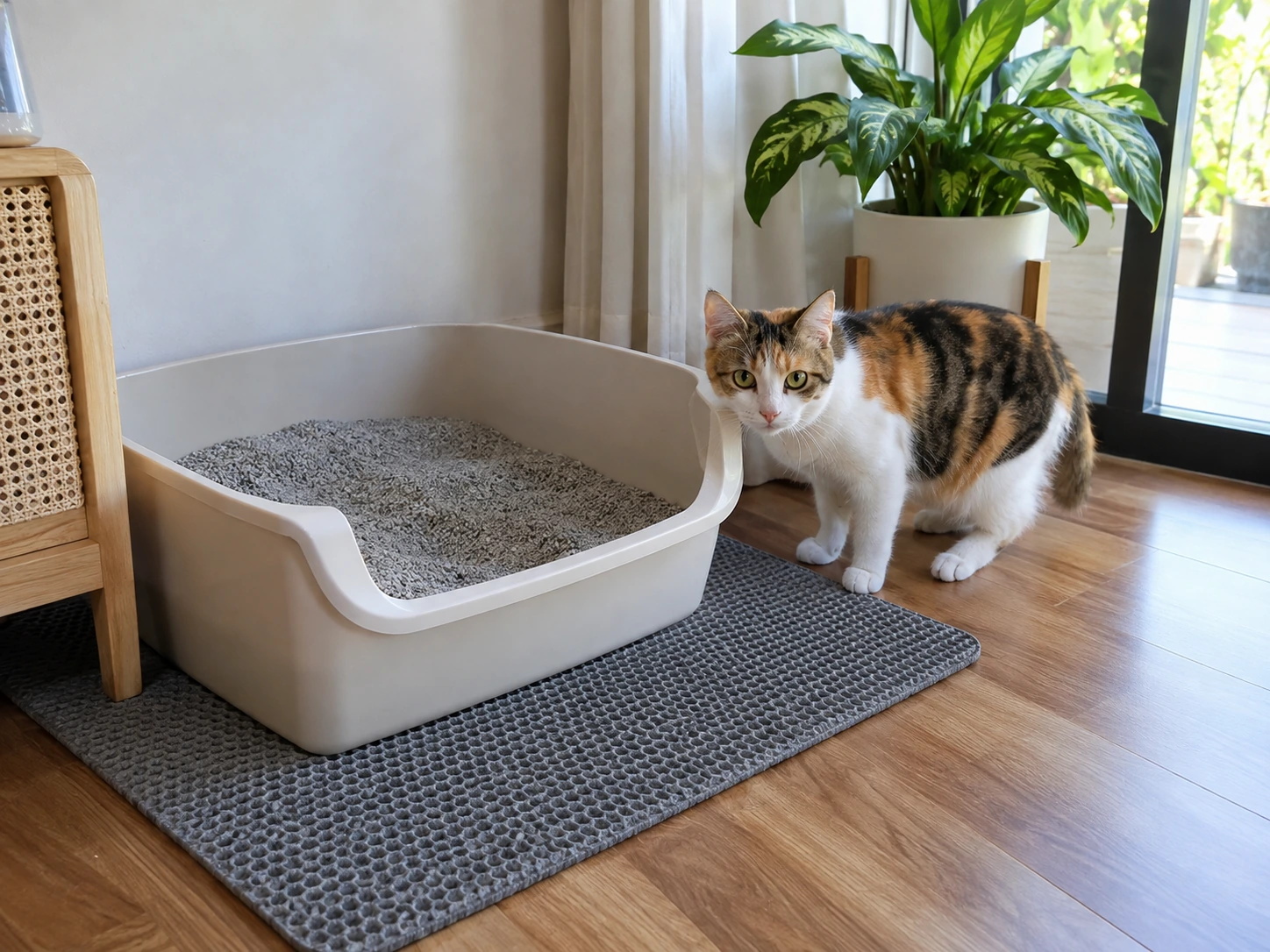
  4. Match the tray to the use. A hooded tray helps contain odour; a high-sided tray reduces litter scattered outside it.
  5. Mix new litter in with the old gradually when changing brands. Start with a small proportion and build up. If your cat starts hesitating, slow down — and don’t change litter and move the tray at the same time.

How Hi-Life Bentonite Cat Litter Fits These Tips 

Hi-Life bentonite cat litter brings together, in a single bag, the properties these six tips point to: quick clumping, low dust, rapid odour absorption, and a formulation made from natural bentonite with no harmful chemicals added.

Your household situation What you need Hi-Life bentonite cat litter
Apartment, small rooms, limited airflow Fast odour absorption, low dust Absorbs odour quickly, low dust
Several cats Firm clumps, easy scooping Clumps quickly, easy to scoop  
Young children or allergy sufferers  Low dust, gentle on the household  Low dust, no harmful chemicals added 
A cat that’s fussy about scent A choice of scents Four scents available
Managing long-term cost No frequent full tray changes Firm clumps let you remove only what’s been used
Wanting to try before committing A choice of sizes 5L for trying out, 10L for regular use

Frequently Asked Questions

With one cat, should I buy 5L or 10L?

The 5L size suits a first trial, to see whether your cat takes to it. Once it’s working well, 10L and above is better value and more convenient for regular use, even with a single cat.

Will my cat dislike scented litter?

Cats respond differently. Most accept it, but if your cat starts hesitating at the tray after a scent change, go back to the previous one and try again later, mixing the new litter in a little at a time.

I scoop every day and there’s still an odour. Why?

The usual causes are litter that’s too shallow, so clumps stick to the base of the tray; not having enough trays for the number of cats; or not changing all the litter and washing the tray weekly.

In Closing

No single cat litter is best for every home. Choosing cat litter well means weighing several factors together: your space, the number of cats, the health of the people in the household, your cat’s habits, long-term budget and how you use it. Once you know which property matters most in your home, the decision becomes much easier.

If you’re after a litter that clumps firmly, produces little dust and controls odour well in a single bag, start with Hi-Life bentonite cat litter in 5L and pick whichever of the four scents your cat prefers. Once it’s working well, move up to the 10L for better long-term value.

More About Choosing Cat Litter

We hope this guide to choosing cat litter helps you care for your pet with confidence. Explore Hi-Life cat litter, or keep reading our article Getting to Know Bentonite Cat Litter. For more expert information, visit Cornell Feline Health Center.