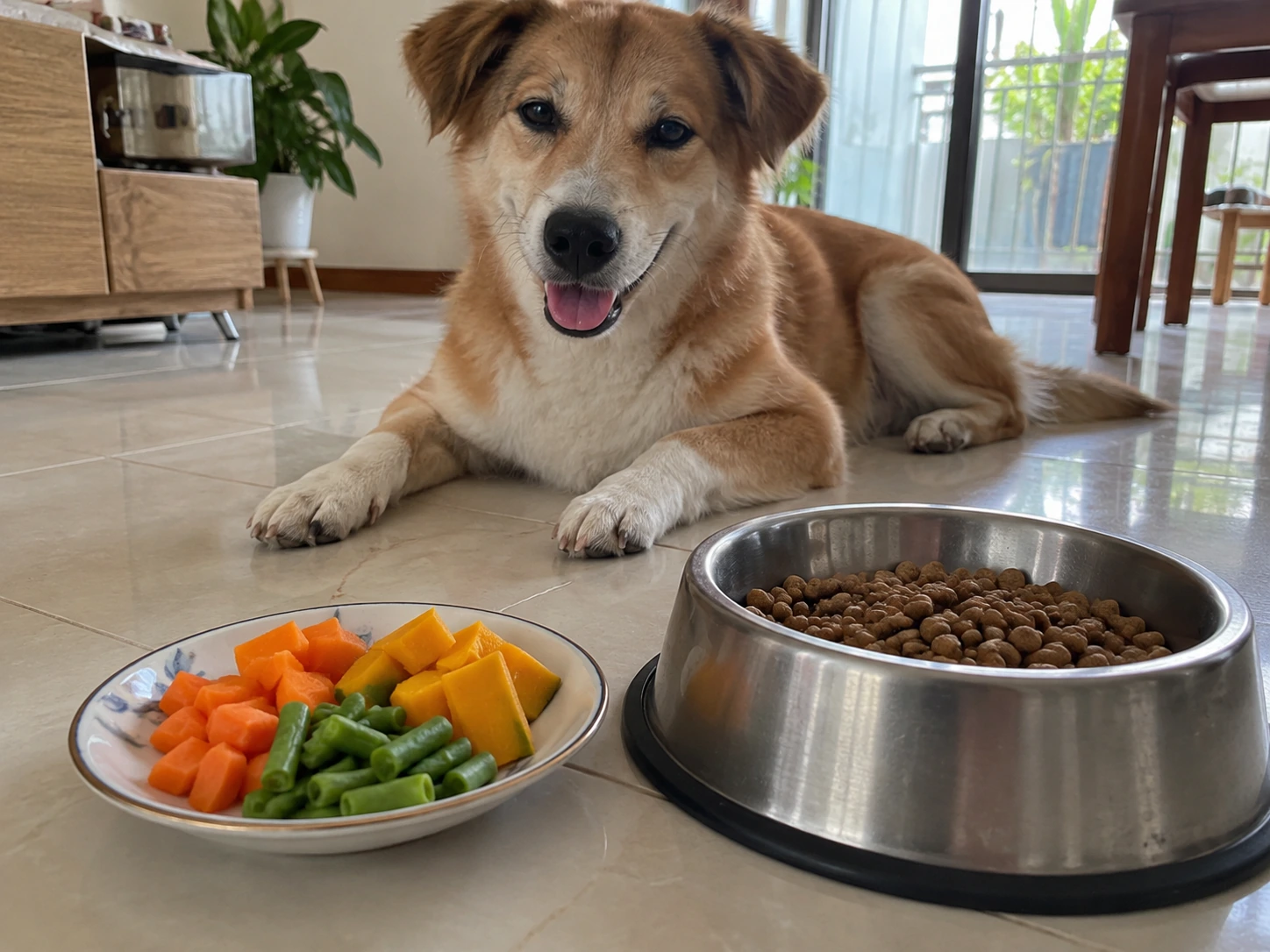
Choose Suitable Vegetables for Added Variety
Are vegetables good for dogs and cats? Learn which are safe, the benefits, how much to give, and which vegetables to never feed.
Many people assume dogs and cats should eat nothing but dry or wet pet food
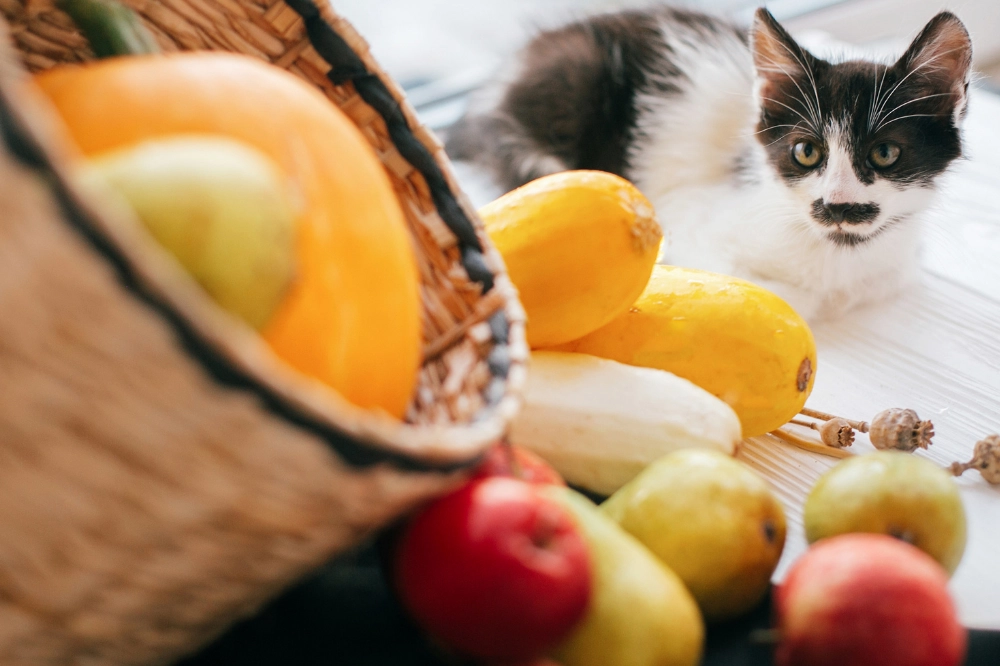
In fact, certain vegetables for dogs and cats make a genuinely useful addition — provided you choose the right ones and keep the portions sensible. This article covers what vegetables offer, how dogs and cats differ, which vegetables to avoid, and how to introduce them safely.
What Vegetables Offer Dogs and Cats
1. Fibre, for healthy digestion
Fibre keeps the gut working normally and helps stools form properly. Cooked pumpkin is a common veterinary suggestion, because it helps with both constipation and mild diarrhoea — the fibre absorbs excess water or adds moisture, depending on what the gut needs.
2. Help with managing calorie intake
Most vegetables are low in calories but high in volume, so a pet feels full without taking in excess energy. For an overweight dog, swapping high-fat treats for carrot or green beans is a simple way to manage calories without the dog feeling it’s being deprived.
3. Vitamins and minerals
Vegetables that are generally suitable:
- Carrot — beta-carotene, which the body converts to vitamin A, supporting eyes and skin
- Broccoli — vitamin C and vitamin K, supporting immunity and bones
- Pumpkin and sweet potato — potassium and beta-carotene
- Cucumber — high water content, helpful for hydration on hot days
- Green beans — fibre, and low in calories
- Courgette (zucchini) — high in water, low in calories
And a few that need a little more care:
- Cooked potato — a carbohydrate source providing energy, with potassium, vitamin B6 and a small amount of vitamin C. It’s higher in calories than other vegetables, so give only a little, particularly to overweight or diabetic animals.
- Garden peas — fibre, vitamin K and vitamin C, low in calories
- Ripe red tomato — lycopene and vitamin C. Give only in small amounts, and remove the stem, leaves and any green parts completely, as these contain solanine.
- Baby corn — fibre, low in calories, with a crisp texture that encourages chewing. Cut into bite-sized pieces to prevent choking.
4. Antioxidants
Brightly coloured vegetables contain flavonoids and carotenoids, which help reduce inflammation and slow cellular ageing — useful for senior pets.
5. Crunchy vegetables as a chew treat
Crunchy options such as raw carrot or cucumber satisfy a dog’s instinct to chew, which can reduce the gnawing of household items. That said, vegetables are no substitute for brushing. Regular tooth brushing, or oral care products recommended by your veterinarian, remains the best approach.
Dogs: a Wider Range of Vegetables Works
Dogs are omnivores, so their digestive systems handle vegetables reasonably well. Safe and popular choices include:
- Carrot (raw or cooked, cut to a suitable size)
- Cooked pumpkin and sweet potato, unseasoned
- Green beans and garden peas
- Broccoli (in small amounts)
- Cucumber and courgette
For small breeds, cut pieces especially small to prevent choking. A dog that has never eaten vegetables before might start with something soft-cooked, or mashed and mixed into its usual food.
Cats: Vegetables Are a Minor Extra Only
Cats are obligate carnivores by nature. They need animal protein and certain nutrients found only in meat, so vegetables are not a necessity — though small amounts can be given as an extra. For example:
- Cooked pumpkin, to help with constipation or hairballs
- Cooked green beans
- Soft-cooked carrot, finely mashed
Cat grass or young wheatgrass grown for cats also helps them pass hairballs more easily, and is a far better option than letting a cat nibble houseplants, some of which are toxic.
Vegetables and Foods Dogs and Cats Must Never Eat
- Onion, garlic, shallot, spring onion and Chinese chives contain compounds that damage red blood cells and cause anaemia. Cats are more sensitive to this than dogs. Even food cooked with a small amount of onion or garlic should be avoided, and symptoms may not appear until several days later — so never wait and see.
- Wild mushrooms and any mushroom you can’t identify — some are severely toxic.
- Unripe green tomatoes, including leaves, stems and stalks — these contain solanine.
- Raw potato, sprouting potato and potato with green skin — also solanine.
- Fried or heavily seasoned vegetables such as fried onion, chips or mashed potato, which usually contain salt, oil and seasonings unsuitable for pets.
- Grapes and raisins — not vegetables, but often handed over as a snack. They are reported to cause kidney toxicity in dogs, with reports in cats as well, so they must never be given to either.
If your pet eats any of these, contact a veterinarian immediately. Don’t wait for symptoms to appear.
How to Introduce Vegetables Properly
- Start small. Introduce one new vegetable at a time and watch for 24 hours for signs such as diarrhoea, vomiting or itching.
- Wash thoroughly to remove chemical residue and dirt.
- Cut to a bite-sized piece to prevent choking.
- Boil or steam without seasoning. No salt, oil, sugar or spices. Cooking also makes vegetables easier to digest.
- Keep to no more than about 10% of daily calories. Vegetables should be an extra or a treat, not the main diet — a good quality prepared pet food already has its nutrition calculated to be complete.
- Ask your veterinarian, particularly for animals with kidney disease, diabetes or a history of food allergy.
In Summary
Vegetables add fibre, vitamins and antioxidants to a dog’s or cat’s diet, help with weight management, and make an inexpensive, healthy treat. Dogs can handle a wider variety; cats should be given only small amounts. Most importantly, the onion and garlic family must be avoided strictly. Choose knowledgeably and keep the portions moderate, and your furry companion will be all the healthier for it. When in doubt, always consult your veterinarian before changing the diet.
Hi-Life wet food for dogs includes a variety of vegetables in its recipes, adding variety to your pet’s favourite meal and making it easy to serve something they’ll enjoy every day.
More About Vegetables For Dogs And Cats
We hope this guide to vegetables for dogs and cats helps you care for your pet with confidence. Explore Hi-Life dog food, or keep reading our article What Is Complete & Balanced Nutrition. For more expert information, visit ASPCA Animal Poison Control.