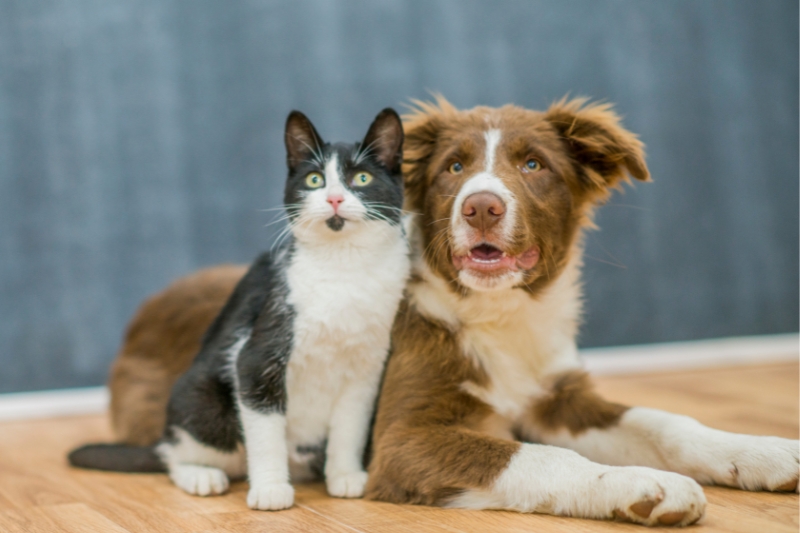
Caring for a pet comes down to four main areas you’ll handle regularly: food, toileting, household cleanliness, and health and grooming routines. They don’t all happen at the same frequency — some are daily, some weekly, and some only once a year.
First-time owners often feel there’s far too much to remember. But once it’s organised by frequency, the genuinely daily work adds up to less than half an hour. This pet care checklist brings everything together for both dogs and cats, with the frequency of each task spelled out.
The Four Essentials at a Glance
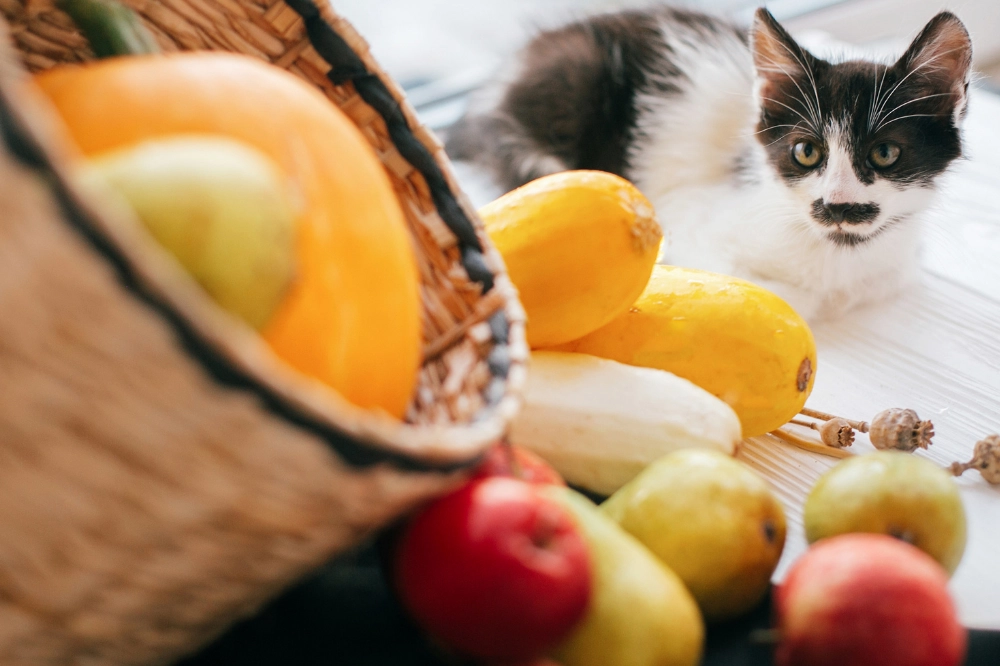
Essential 1: Food — A Main Meal Has to Be Nutritionally Complete
Food has the greatest long-term effect on health. What new owners often don’t realise is that not every can of pet food does the same job. Some are designed to replace a meal; others are treats that can’t, because they aren’t nutritionally complete.
How to tell whether a can works as a main meal
Look for the animal feed registration number, a ten-digit number issued by Thailand’s Department of Livestock Development and printed on the label. To learn what each group of digits means, and what else to check before you buy, read What Does the Animal Feed Registration Number Tell Us? What Every Owner Should Know Before Choosing Pet Food.
Another phrase you’ll often see on labels is Complete & Balanced, meaning the food provides every nutrient a pet needs, in proportions that are balanced against one another.
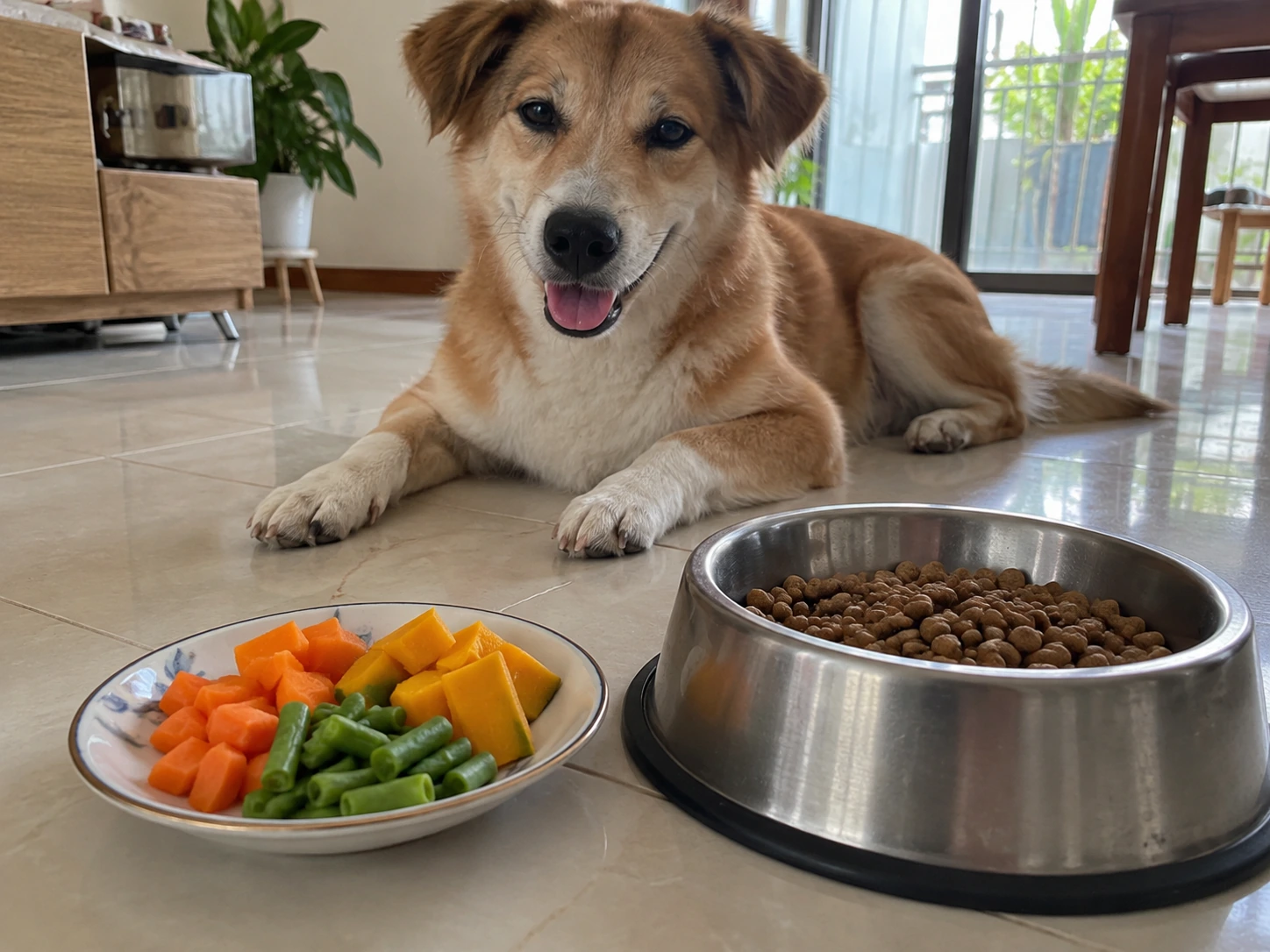
Dry food or wet food?
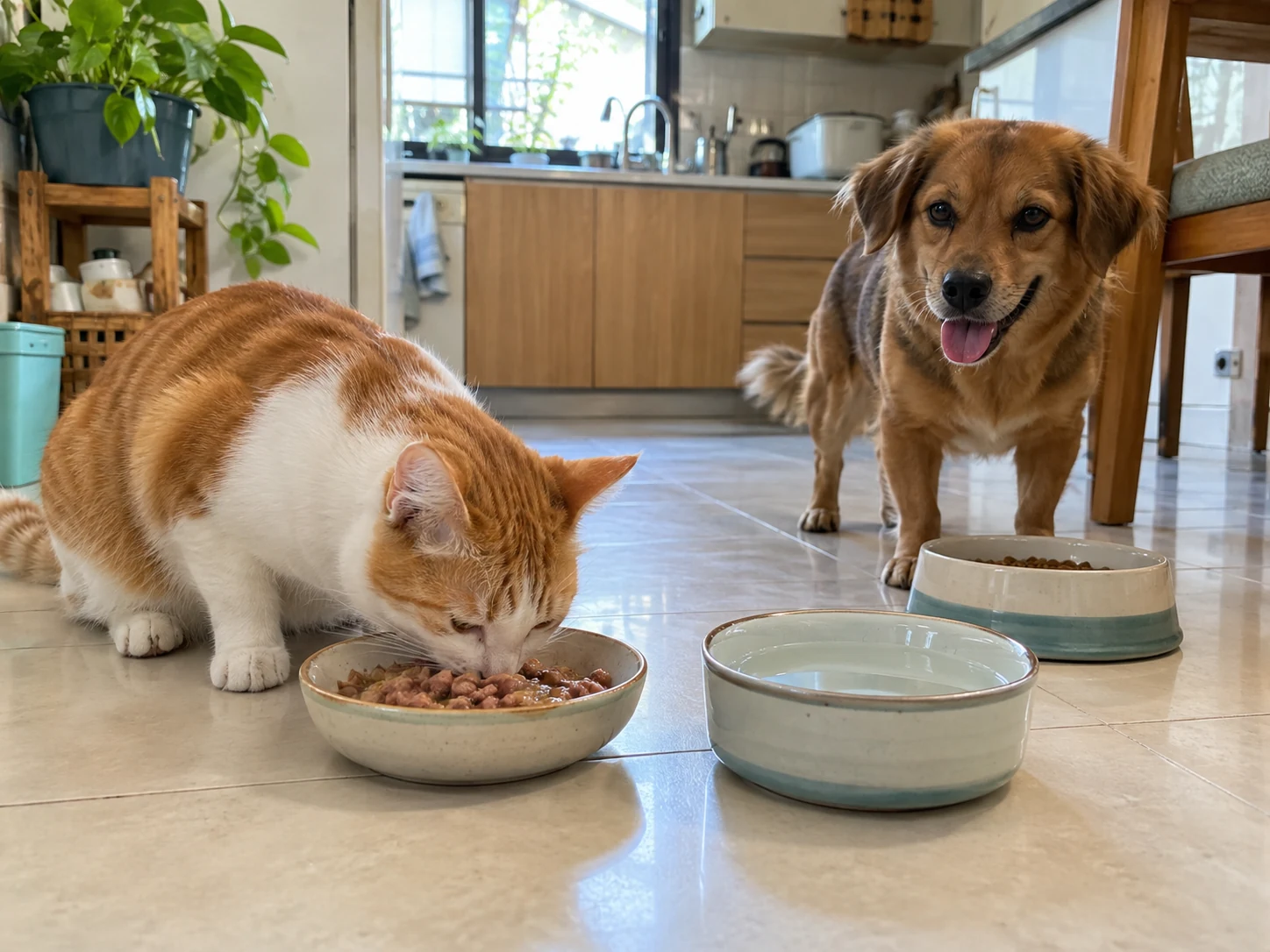
Either can serve as a main meal, provided the label states it is nutritionally complete (registration code 07 in Thailand). The difference lies in how they work in practice.
- Wet food has a high moisture content (check the figure on the label), so your pet takes in extra water with each meal. It also has a stronger aroma and flavour, and a soft texture that’s easy to chew. Once opened, keep it refrigerated and use it within 1–2 days — one day is best. (See How Long Does Wet Food Last Once Opened? Why It Should Be Finished Within a Day.)
- Dry food wins on convenience: it keeps well and can sit in the bowl all day.
Some households choose one; others combine both. What matters is keeping the total daily amount within your pet’s requirement, and choosing what suits that animal’s health, age and preferences. If you’re unsure, ask your veterinarian to help you pick a suitable formula.
The water question people overlook
Fresh water should be available at all times, and it should be changed daily even when the bowl still looks full — standing water picks up dust and saliva. Many cats simply don’t go and drink on their own. Placing several bowls around the home, or keeping the water bowl away from the food bowl, often encourages them to drink more.
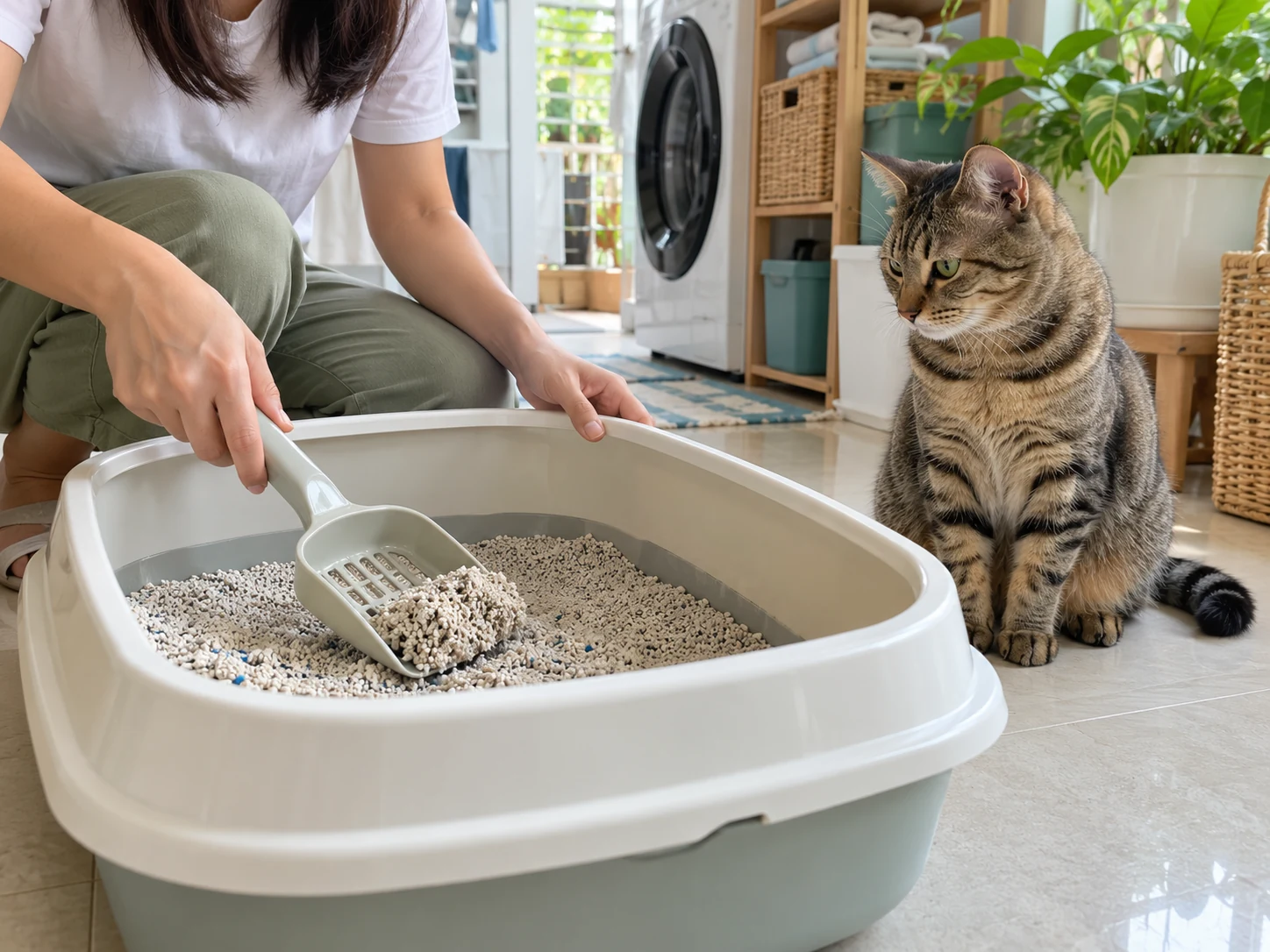
Essential 2: Toileting — Set the System Up Properly From Day One
Organised well from the start, this takes under five minutes a day. Left to become a problem and fixed later, it’s far harder.
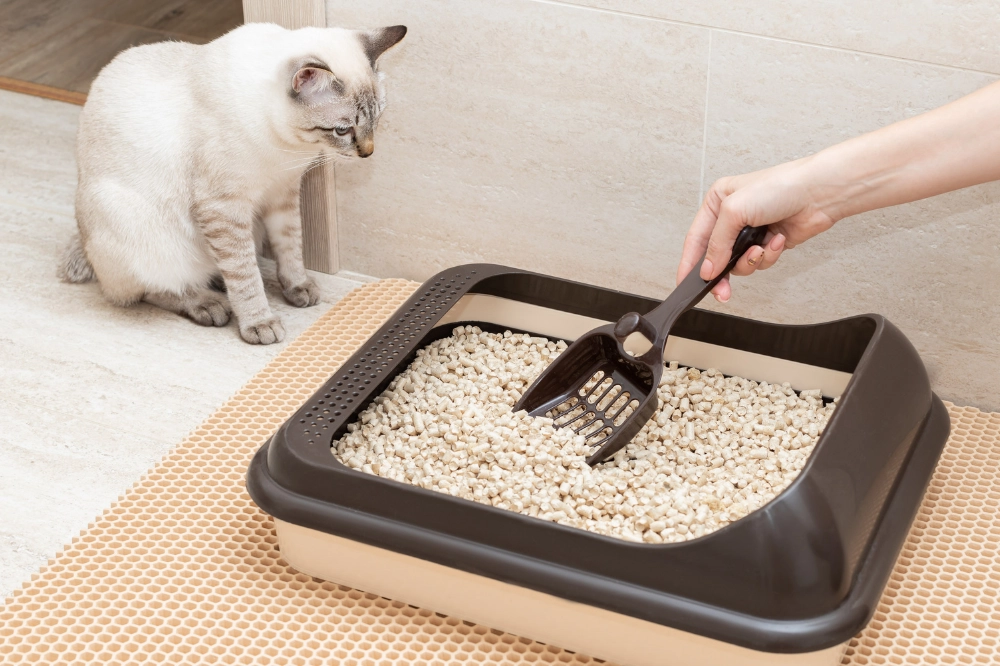
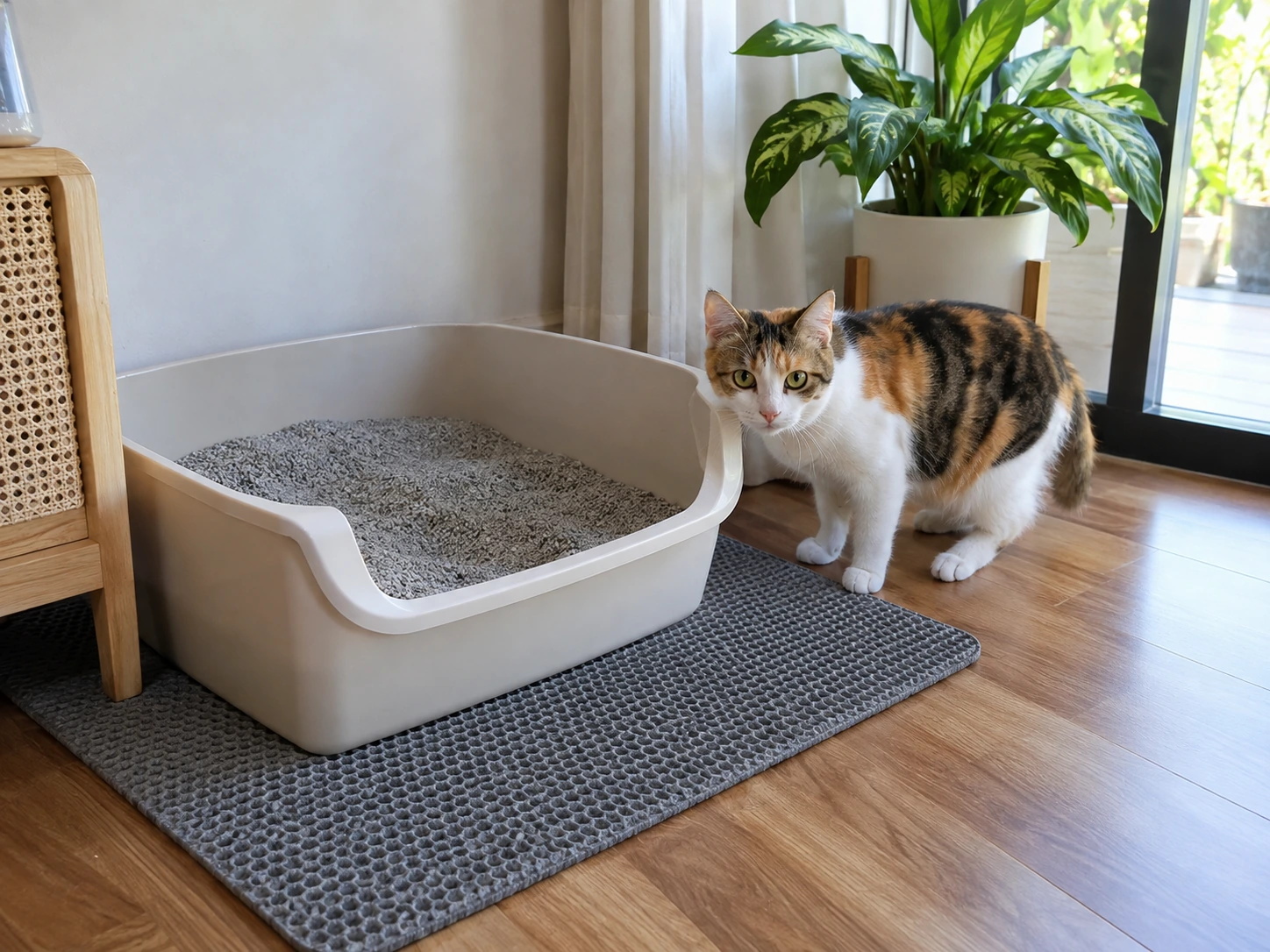
For cats: the tray and the litter
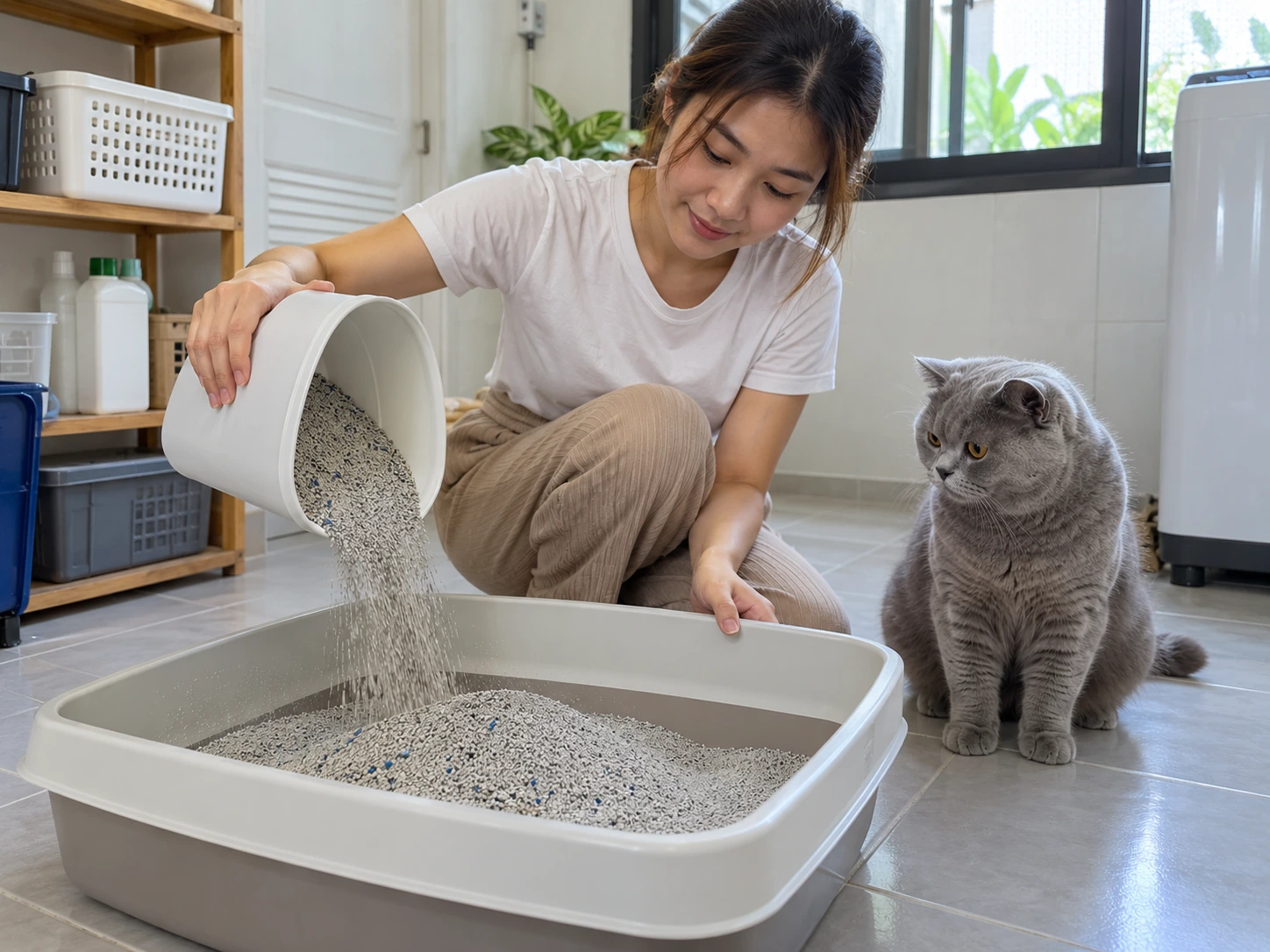
Choose a litter that’s convenient to use, and put the tray somewhere easy to reach but not busy, away from food bowls and bedding. Clumping litter lets you scoop out only the soiled clumps each day. As a general guide, fill the tray to a depth of about 8–10 cm, and change the litter completely and wash the tray weekly, depending on how many cats you have and how heavily it’s used. The usual recommendation is one tray per cat plus one spare. (See 6 Tips for Choosing Cat Litter.)
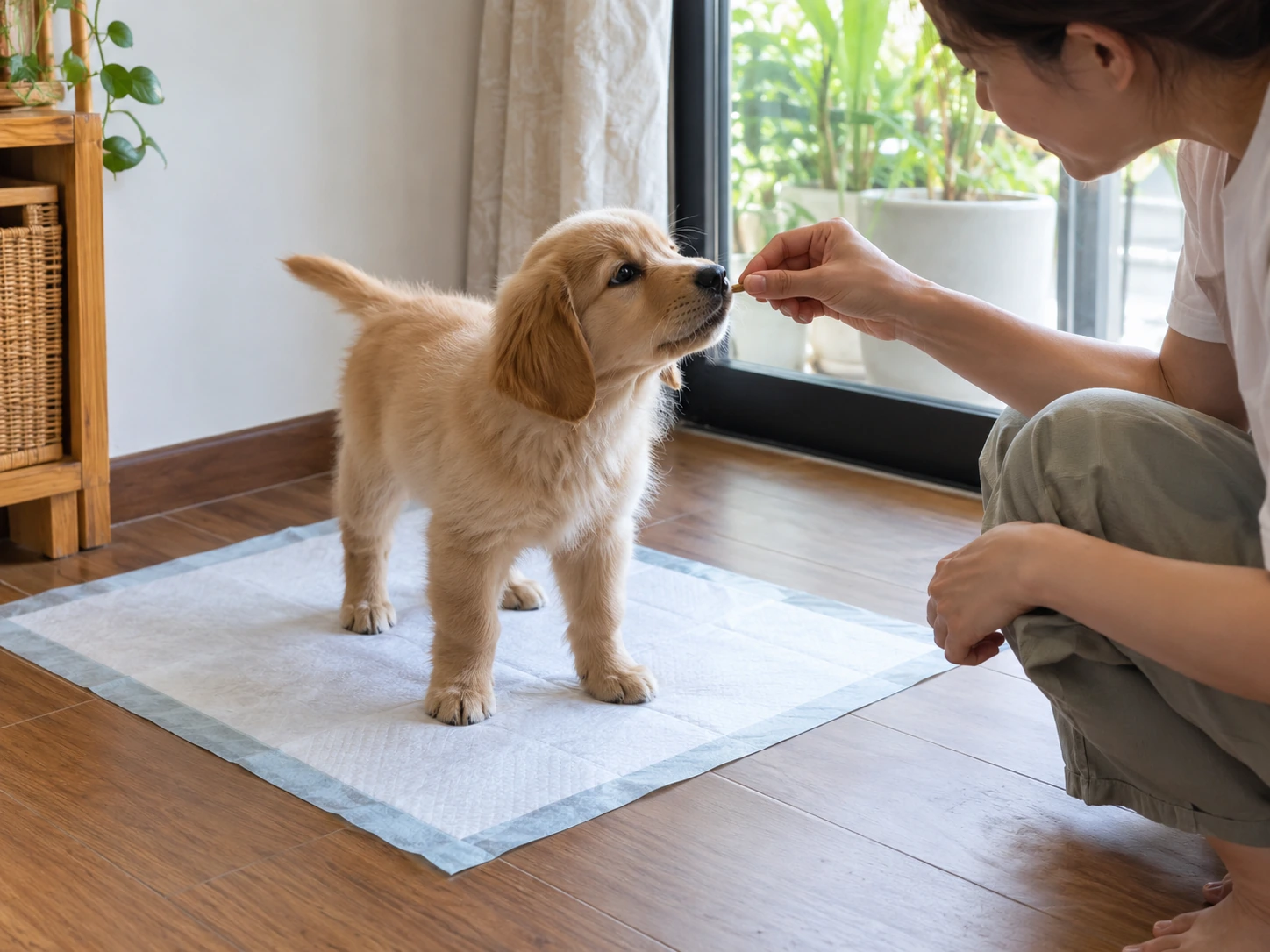
For dogs: training pads and toilet training
Training pads help a great deal while a puppy is learning, when a dog is left home alone for long stretches, or during recovery. The things to look at when choosing are absorbency and how well the pad stays in place. For training itself, the moments to take your dog to the pad are right after waking, after eating, after play, and before bed.
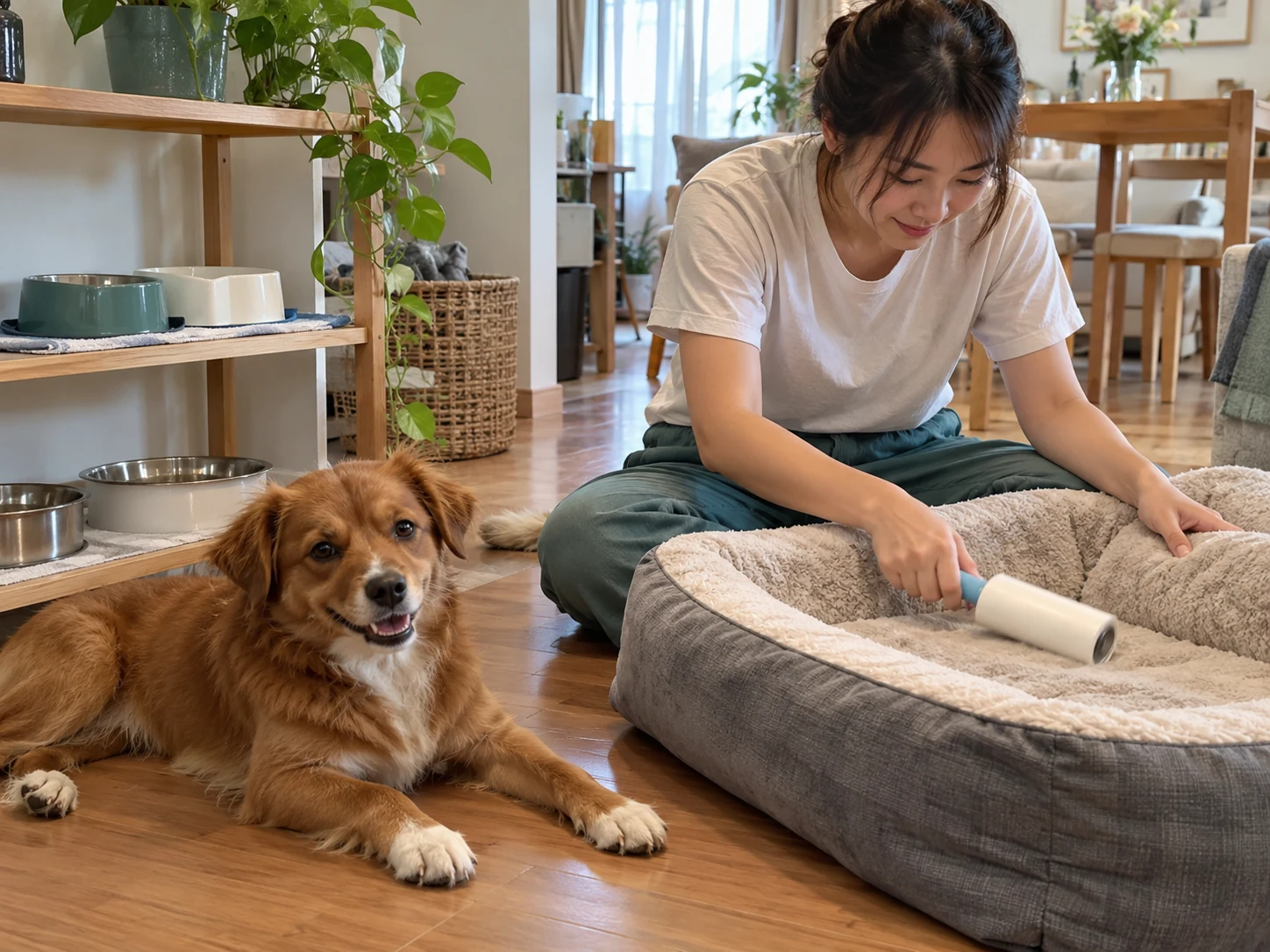
Essential 3: Household Cleanliness
- Daily — wash food and water bowls, pick up shed hair around favourite sleeping spots
- Weekly — wash bedding, clean the litter tray, wipe floors in the areas your pet uses
- Monthly — clean toys, check the condition of crates or pens, check your supply levels
One caution: never flush clumping cat litter down the toilet — it will block the pipes. And where an accident has happened, the odour has to be eliminated properly, not simply wiped dry.
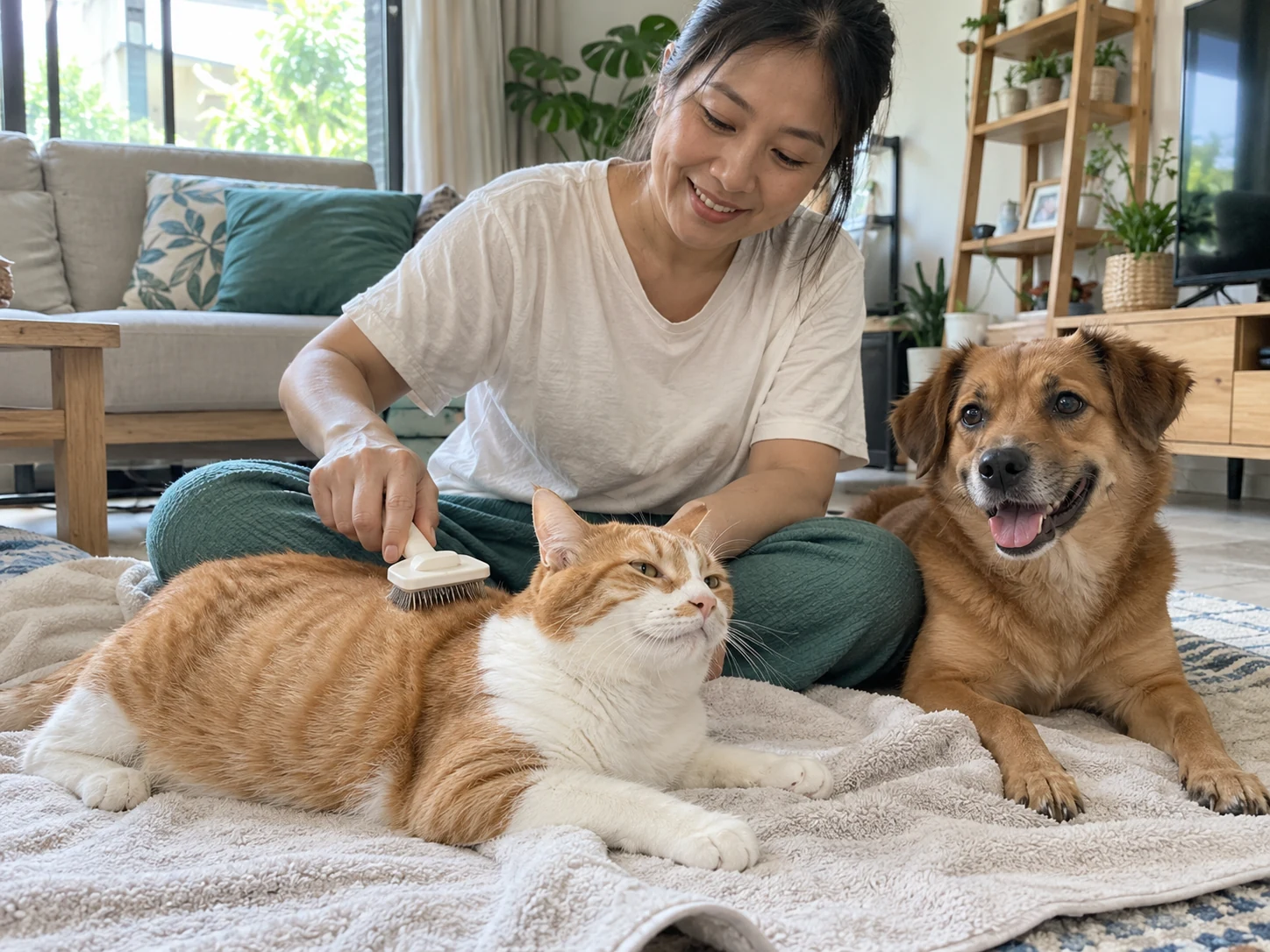
Essential 4: Health and Grooming Routines
- Brushing — 1–3 times a week, depending on coat length
- Nail trimming — every 2–4 weeks; listen for nails clicking on the floor
- Bathing — as needed, and not too often, since it dries the skin
- Vaccinations and deworming — on the schedule your veterinarian sets
- Annual health check — once a year for adult pets
Signs that warrant a vet visit
Watch for changes in the daily routine. Speak to your veterinarian if you notice any of the following.
- Eating noticeably less or more than usual
- Drinking unusually large amounts of water
- A change in toileting habits
- Rapid weight change while the diet has stayed the same
- Hiding away, out of character
Seek veterinary attention promptly if your pet is very lethargic or barely moving, refuses food or water, or is not passing waste normally.
The real benefit of working through a pet care checklist regularly is that you learn what normal looks like for your particular animal — which is what lets you spot a problem early.
Buying Everything in One Place Genuinely Saves Money
Only a handful of items need restocking regularly: main-meal food, cat litter and training pads. The rest you buy once and use for a long time.
Sourcing those repeat purchases together cuts down the time you spend comparing options each cycle, makes it easier to keep track of what you have at home, and lets you order everything at once — which saves on delivery when buying online.
Hi-Life covers all of these everyday essentials: wet food for dogs and cats, with every recipe registered as a main-meal food suitable for daily feeding; bentonite cat litter in four scents; and hygienic training pads. A household with both a dog and a cat can finish the shop in a single basket.
Frequently Asked Questions
What’s different between setting up for a cat and setting up for a dog?
The main difference is toileting. Cats need a tray and cat litter, while dogs need to be taken outside or use training pads indoors. Food and grooming follow the same principles for both, but the food formula has to match the species.
Can Hi-Life wet food be fed every day?
Yes. Hi-Life wet food is nutritionally complete (animal feed registration code 07), so it is designed to serve as a main meal every day. Feed the amount appropriate to your pet’s age and body weight as stated on the label. If your pet has a health condition or you have any doubts, consult your veterinarian. Read Can Pets Eat Wet Food Every Day?
In Summary
Caring for a pet involves far less to remember than it first appears. Organised into four areas and split by frequency, the genuinely daily work takes under half an hour. What makes the whole thing easier is buying your repeat items together, then following the pet care checklist consistently until it becomes routine.