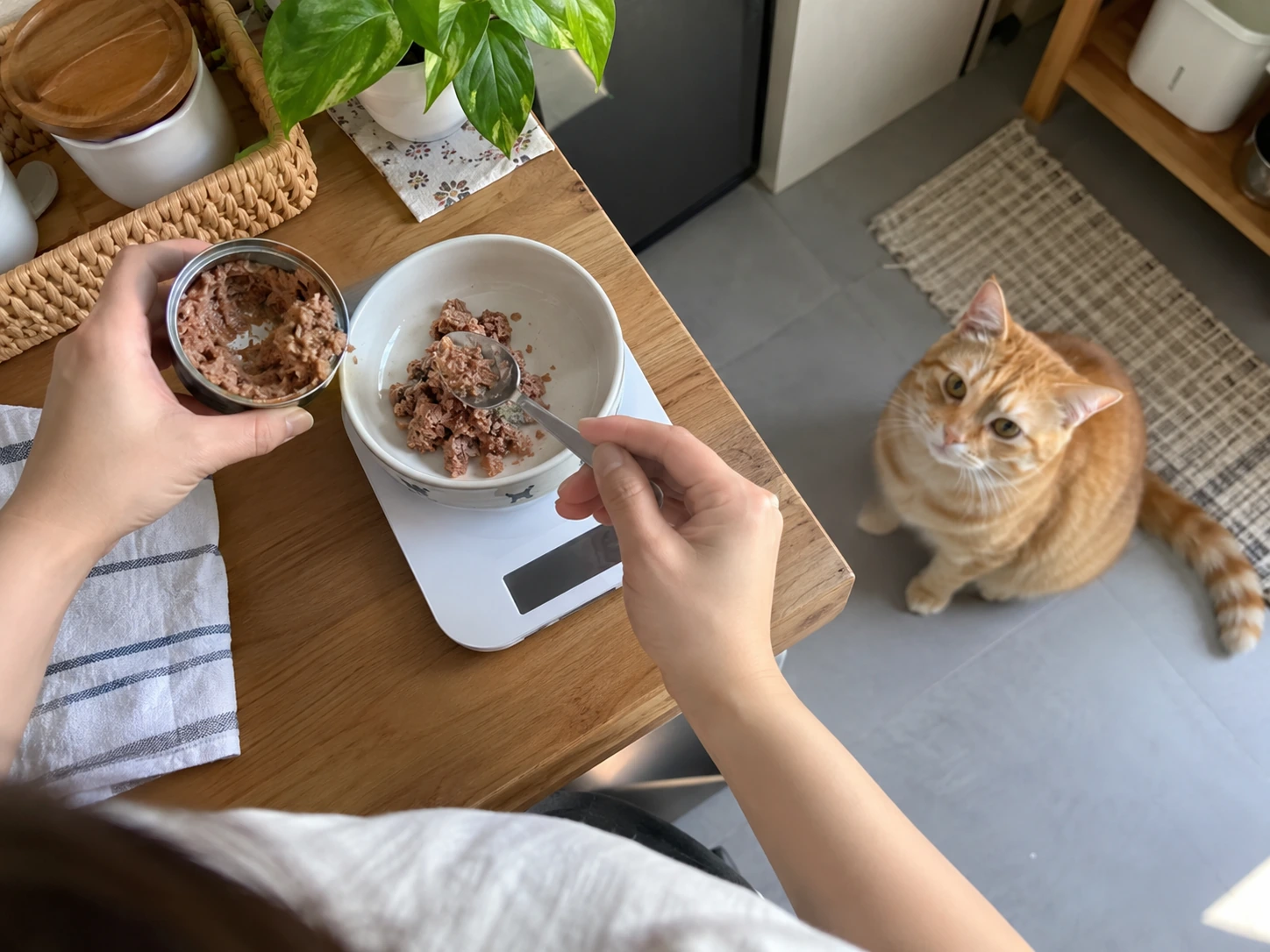
Complete Nutrition Starts with a Balanced Main Meal
What is Complete & Balanced nutrition, and why does it matter for your dog’s or cat’s main meal? Learn to read the registration number and the nutritional adequacy statement on the label.

Most pet owners have stood in front of the shelf wondering
why some packs carry the words “Complete & Balanced.” It isn’t just marketing copy — it’s the statement that tells you whether that food is suitable as your pet’s main meal.
What Complete & Balanced Means
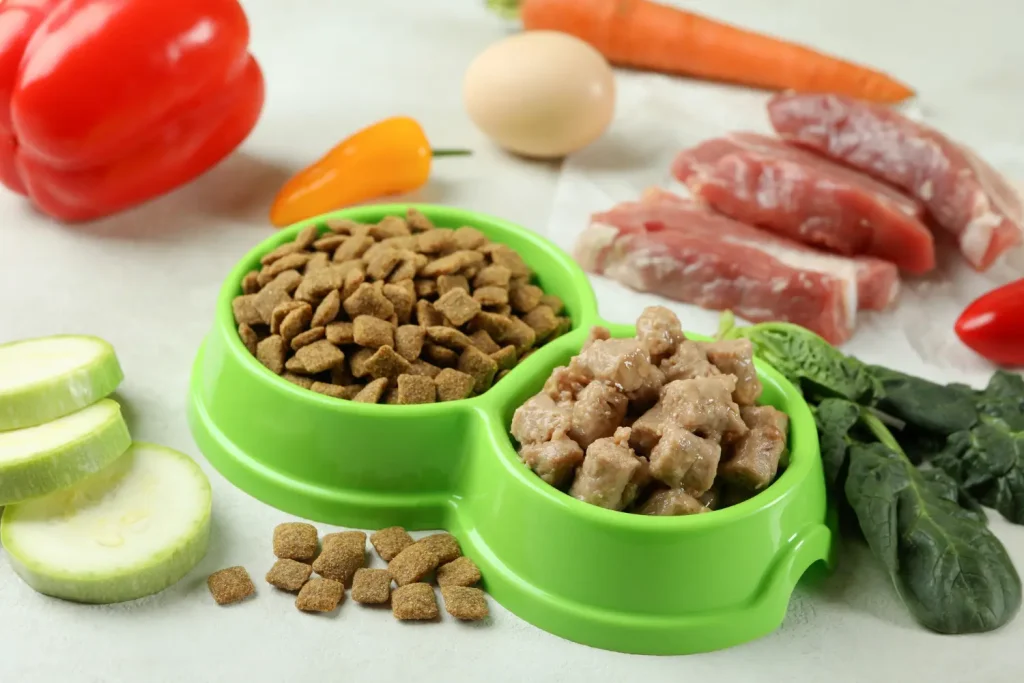
Complete and balanced nutrition means food that contains every necessary nutrient group, in the amounts and proportions appropriate to that species and life stage.
- Complete means the food contains every nutrient the animal’s body requires — protein, fat, carbohydrate, vitamins, minerals and water — with nothing missing.
- Balanced means those nutrients are present in the right proportions, neither too much nor too little. Many nutrients work in relation to one another: calcium and phosphorus, for instance. If the ratio is off, the body absorbs them poorly even when the total amounts look sufficient.
How to Check the Label: Registration Number and Nutritional Adequacy Statement
Two separate pieces of information on the label help answer whether a recipe is a main meal. They are not the same thing.
1. The animal feed registration number (what type the food is registered as)
Pet food sold in Thailand carries a ten-digit registration number issued by the Division of Animal Feed and Veterinary Products Control, Department of Livestock Development — for example, 01 07 67 0466. Look at the second group. 07 means nutritionally complete food, suitable as a main meal. 08 is supplementary food, 09 is snacks and treats, and 10 is a therapeutic diet to be used on veterinary advice. (For more detail, see What Does the Animal Feed Registration Number Tell Us? What Every Owner Should Know Before Choosing Pet Food.)
2. The nutritional adequacy statement
This is the manufacturer’s statement on the label declaring which standard the recipe is formulated against, and which life stage it suits. Referencing these standards does not mean those organisations have approved the individual product.
Manufacturers generally reference one of two things:
- Minimum nutrient profiles from standards bodies such as AAFCO (United States) or FEDIAF (Europe), which set levels of protein, fat, vitamins and minerals for dogs and cats at each life stage.
- Feeding trials, in which animals are fed the recipe for a defined period and their health assessed.
Labels typically carry wording such as “for puppies,” “for adult dogs” or “for all life stages,” indicating which stage of life the recipe was designed for.
Why It’s the Heart of a Main Meal
1. It meets the needs of each species
Cats are obligate carnivores and require taurine, arachidonic acid and vitamin A from animal sources in ways dogs do not. A taurine deficiency in cats can lead to heart muscle and vision problems. Dogs adapt to a wider range of foods, but still need every essential nutrient. A main meal therefore has to be designed for the species it’s intended for.
2. It’s what the animal eats nearly every day
A main meal makes up almost all of what a pet eats. If a nutrient is persistently missing, the consequences can build up gradually without the owner noticing — unlike treats or supplementary foods, which are given occasionally.
3. It prevents both deficiency and excess
Getting too much of certain nutrients matters as well. Large-breed puppies given excess calcium may develop problems with bone and joint growth, while vitamins A and D can become toxic if given in large amounts over a long period. Balance is every bit as important as completeness.
4. It underpins health in several areas
Good nutrition is the foundation for skin and coat, digestion, bones and joints, heart function and day-to-day energy. Keeping an eye on your pet’s weight, coat and stools will tell you a good deal about whether the food you’re feeding is suiting them.
5. It makes choosing by life stage straightforward
Nutritional needs change through life. Young animals need high energy, protein and calcium for growth; adults need to maintain weight and condition; seniors may need less energy but still need good quality protein. Complete & Balanced foods divided by life stage save the owner from having to calculate any of this.
Can Home-Cooked Food, Treats or Supplements Serve as a Main Meal?
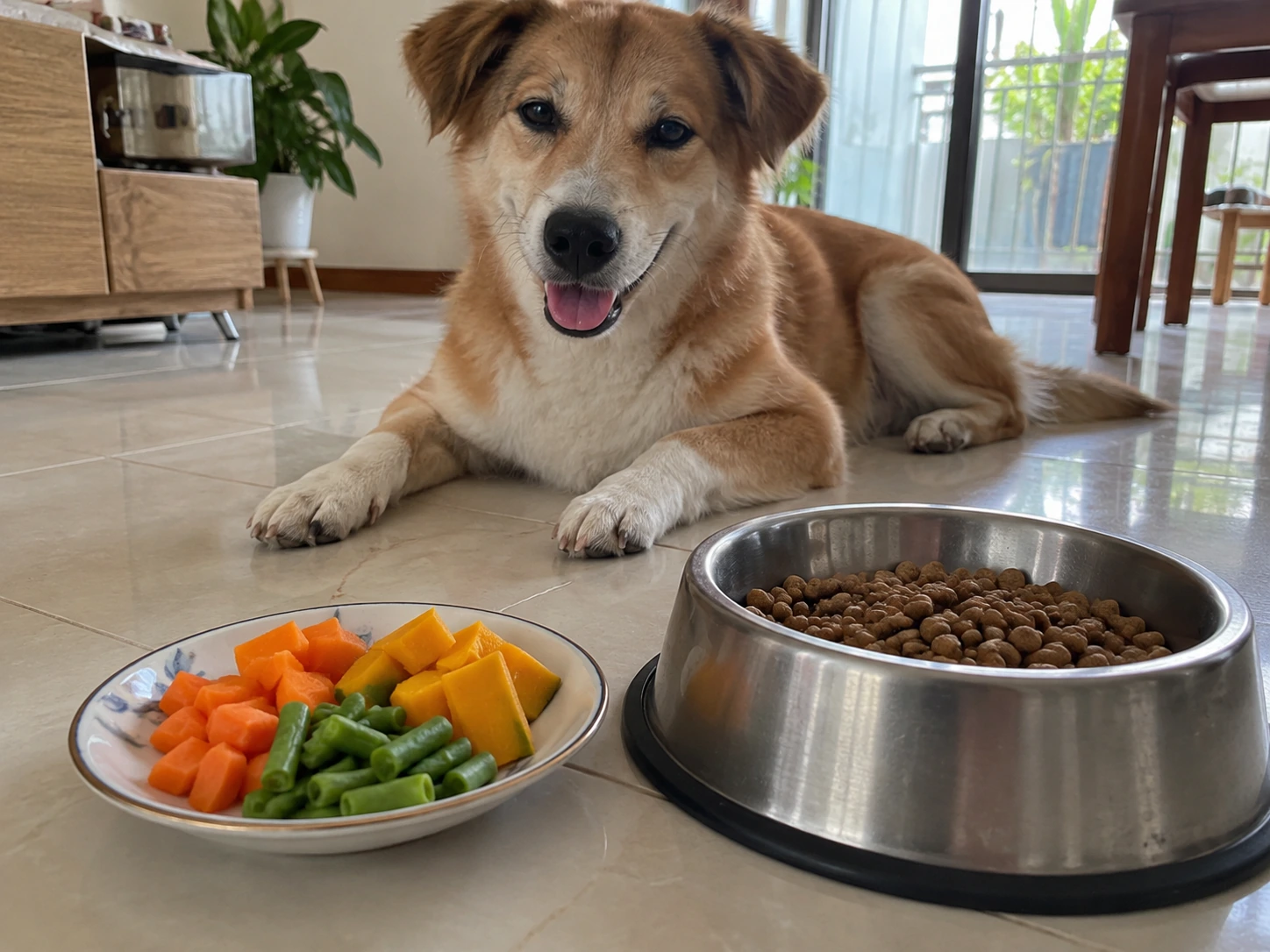
You can cook for your pet, but the recipe has to be formulated to be complete. Boiled chicken, rice or vegetables alone will usually fall short on calcium, zinc, vitamin D and certain essential fatty acids. If you want home-cooked food to be the main meal, have a veterinarian or a veterinary nutritionist help you formulate it.
Treats and supplementary foods that aren’t main-meal recipes (registration codes 08 and 09) are not designed to be complete on their own. They work well alongside a main meal to add flavour and variety, with the general guidance being no more than around 10% of total daily calories.
How to Choose a Complete & Balanced Food
- Check the animal feed registration number and whether the second group is 07.
- Read the nutritional adequacy statement for the standard referenced and the life stage it suits.
- Match species and life stage. Don’t feed dog food to cats, or adult recipes to young animals.
- Read the ingredient list and guaranteed analysis, looking for a clearly identified protein source and the protein, fat and fibre figures.
- Check the manufacturer details on the label — a name and contact information you can verify.
- Watch your pet — weight, coat, stools and energy level. If your pet has an existing health condition, consult your veterinarian before changing food.
In Summary
Complete and balanced nutrition is the principle that allows a food to function as a main meal, because the animal receives every essential nutrient in the right proportions. Start by turning the pack over and checking the second group of the registration number (07 means a main-meal food), then read the nutritional adequacy statement to see whether it suits your pet’s species and life stage. That alone goes a long way towards making sure your pet gets what it needs at every meal.
More About Complete And Balanced Nutrition
We hope this guide to complete and balanced nutrition helps you care for your pet with confidence. Explore all Hi-Life products, or keep reading our article What Does the Animal Feed Registration Number Tell Us. For more expert information, visit AAFCO.